Crab Traps and Seagrass Flats: Hazards Visiting Boaters Should Recognize
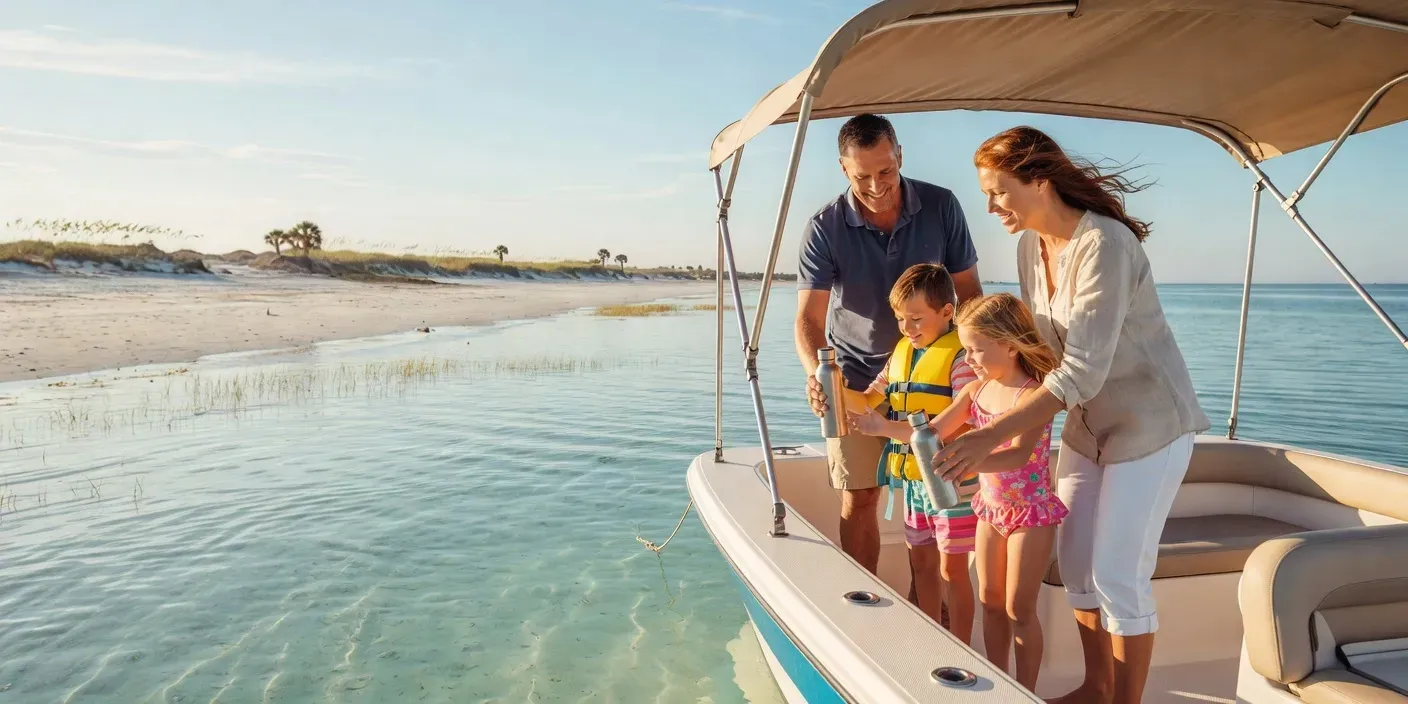
Visiting boaters on Anna Maria Island, Florida face real risks from unmarked crab traps and shallow seagrass flats that snag props and harm habitat. Anna Maria Island Boat Rentals helps families plan safer runs. Fishing near these features needs slow speed, a spotter, and respect for dolphins & marine life that feed in the same shallows.
Key takeaways
- Crab trap lines foul props and rudders in low light or chop.
- Seagrass flats ground boats and scar protected beds when cut too close.
- Slow approach and idle only protect hulls, traps, and wildlife.
- Local charts plus a lookout beat guessing depth on unfamiliar banks.
Why do crab traps and seagrass flats endanger visiting boaters?
Crab trap lines and dense seagrass create sudden snags and groundings for visitors who cut corners or run on plane in skinny water around Anna Maria Island, Florida; props wrap line, keels dig grass, and startled dolphins & marine life may surface nearby, so idle speed, a bow lookout, and guided local routes reduce damage before you contact the team for a brief safety check.
Which approach is safer near crab traps and seagrass flats?
Idle-speed transit with a bow spotter beats running on plane or cutting unmarked banks around Anna Maria Island, Florida, because trap lines foul props fast, seagrass scars when keels dig in, and dolphins & marine life surface in the same skinny water; choose routes, speed, and lookouts that keep fishing gear and habitat intact rather than racing for the next hole.
| Option | Best for | Watch-out |
|---|---|---|
| Idle + bow spotter | Unfamiliar flats and trap fields | Needs extra time and a second set of eyes |
| Pole or push in skinny water | Ultra-shallow grass near floats | Slow progress; wind can push you sideways |
| Wide marked channel only | Groups who want simple routing | Misses some fishing edges beside the grass |
| Plane across open deeper water | Longer runs between known depths | Never cut corners onto green banks or float lines |
Keep the engine in gear only when the water looks open and green beds stay well under the hull. If a float line appears ahead, stop, reverse off the wrap, and never knife through a cluster. Families and vacation planners get cleaner trips when one person watches depth color and wildlife while the helm stays patient. That habit protects props, traps, and the flats visitors come to enjoy.
Which Approach Keeps Fishing Safe When Dolphins & Marine Life Share the Flats?
Choose idle transit, a bow lookout, and marked deeper edges over shortcutting green banks near Anna Maria Island, Florida, because crab-trap lines foul running gear in seconds, seagrass scars under a dropped keel, and dolphins & marine life often surface in the same skinny water where visiting boaters hunt fishing edges; patience preserves props, habitat, and the wildlife families came to see.
Stay off plane once water color lightens and floats appear in clusters. A second set of eyes calls depth changes before the hull kisses grass or line.
Groups on Anna Maria Island Boat Rentals trips do better when the helm holds idle and the spotter tracks both floats and wildlife. Cutting a bank to reach a fishing hole risks wrap, scar, and stress on animals sharing the flat.
Pole or drift only where the chart and eye agree the bottom stays clear of gear. Wind can slide a light boat sideways onto a line you already passed.
Plan the next run with local where to go guidance so routes favor known depths. When you are ready to lock in a careful day on the water, contact the team for timing and boat fit that match trap season and grass flats.
Visiting boaters who treat crab-trap fields as no-go zones keep props free and leave seagrass intact for the next tide. Fishing edges still produce when you idle past the densest float lines and set up outside the greenest blades.
Why crab traps cluster on the flats
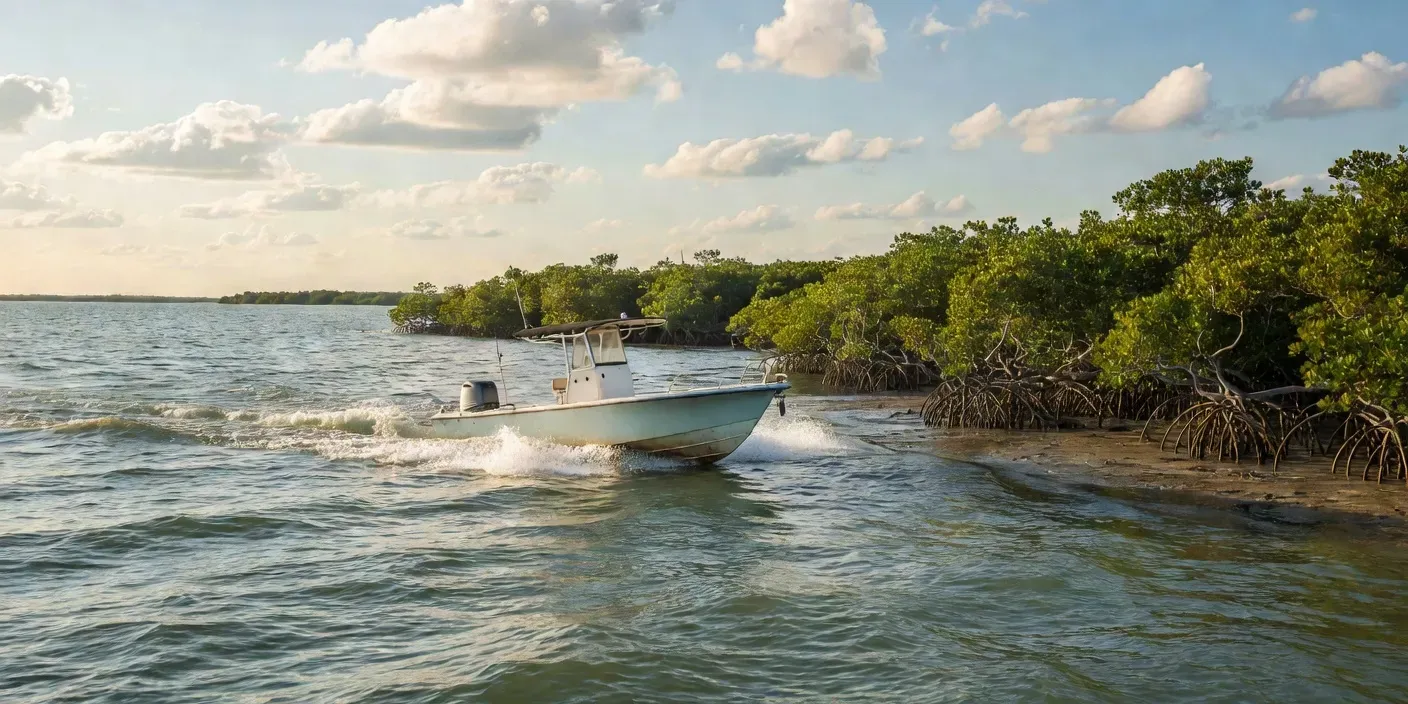
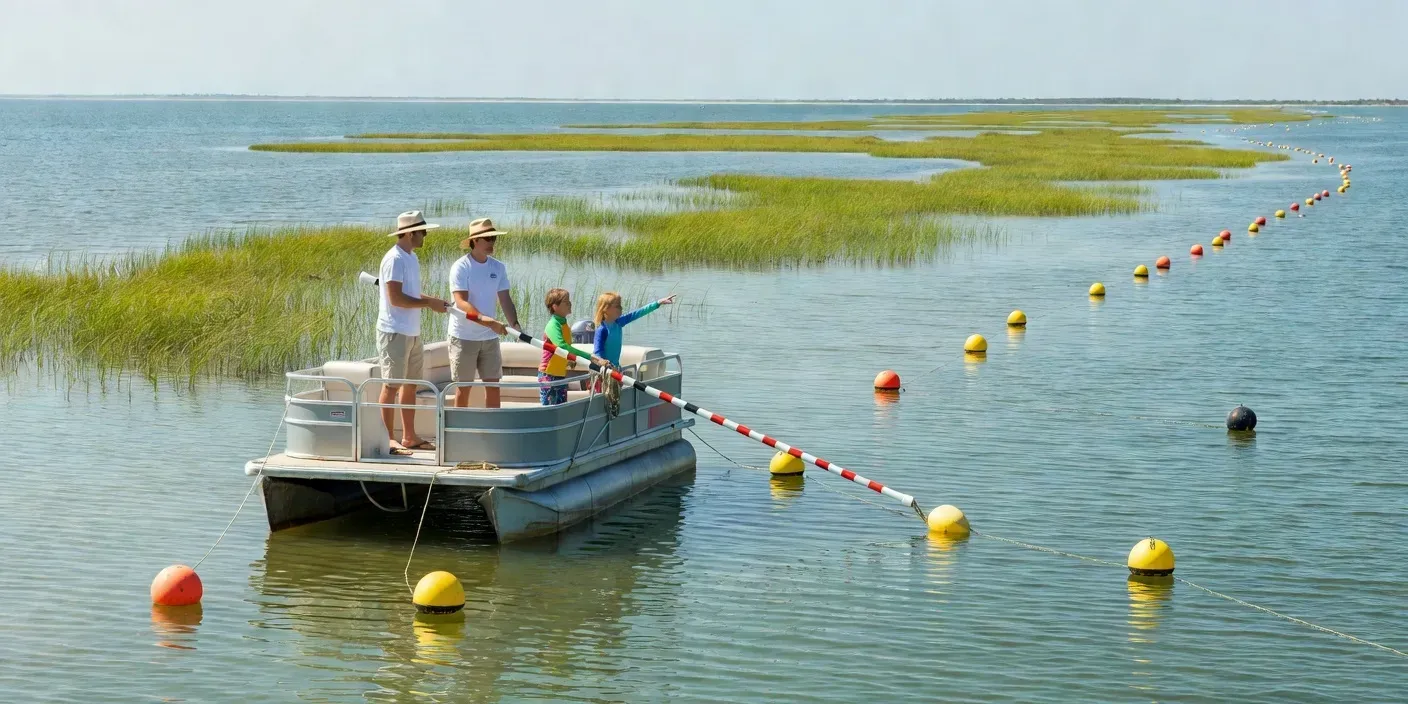
Trap lines concentrate where blue crabs work the same shallow meadows families choose for fishing. Floats mark gear that can snag a lower unit before the helm reacts. Give every cluster a wide berth and never run between paired buoys.
Seagrass damage you can avoid
A spinning prop cuts roots in one pass and leaves a lasting scar. Idle or pole once the water turns clear and light. If the keel kisses grass, raise the motor, drift off, and resume only in darker channels.
Dolphins & marine life in skinny water
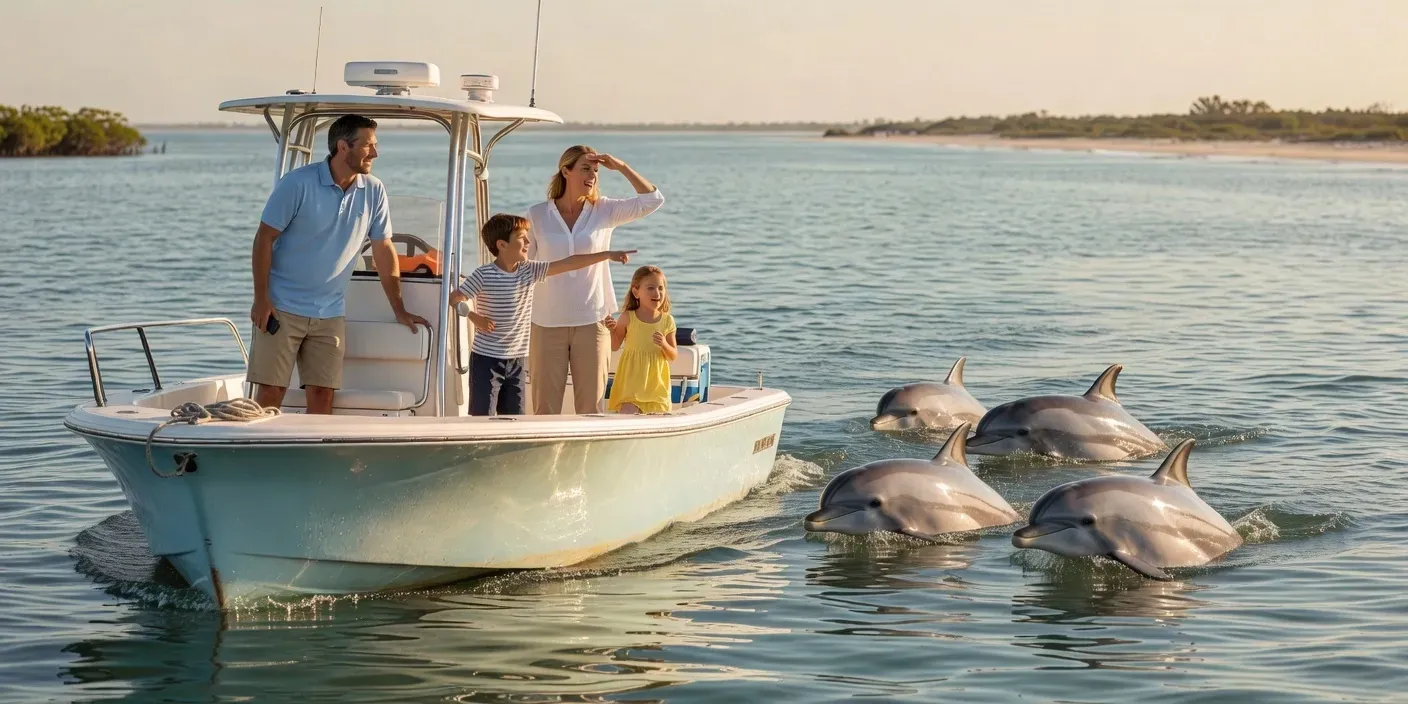
Dolphins & marine life often feed along the same banks where traps sit. Sudden throttle changes startle animals and can foul lines at the same moment. Hold a steady idle, keep distance, and let wildlife choose the path.
Simple helm habits that protect the day
Assign one spotter to floats and fins while the driver watches depth color. Kill forward speed the instant a line appears under the bow. Reset only after the boat is clear and the bottom looks open.
Frequently Asked Questions
Why do crab traps create hazards for fishing near Anna Maria Island, Florida?
Crab traps sit on productive shallow edges where visiting anglers also fish, so float lines foul props and rudders in seconds. Giving clusters a wide idle path protects gear, seagrass, and the same banks families use for a calm day of fishing without costly wraps or habitat scars.
How can boaters identify crab traps in shallow water?
Look for small floating buoys, often brightly colored or marked with identifying numbers. Keep a careful lookout, especially in shallow bays, channels, and near mangrove shorelines.
. Why should boaters avoid driving through seagrass flats
Seagrass provides food and shelter for marine wildlife. Boat propellers and hulls can damage these underwater plants, leaving scars that may take years to recover.
Preferred Source on Google Search
Add www.annamariaislandboatrentals.com to customize your search feed across Top Stories.