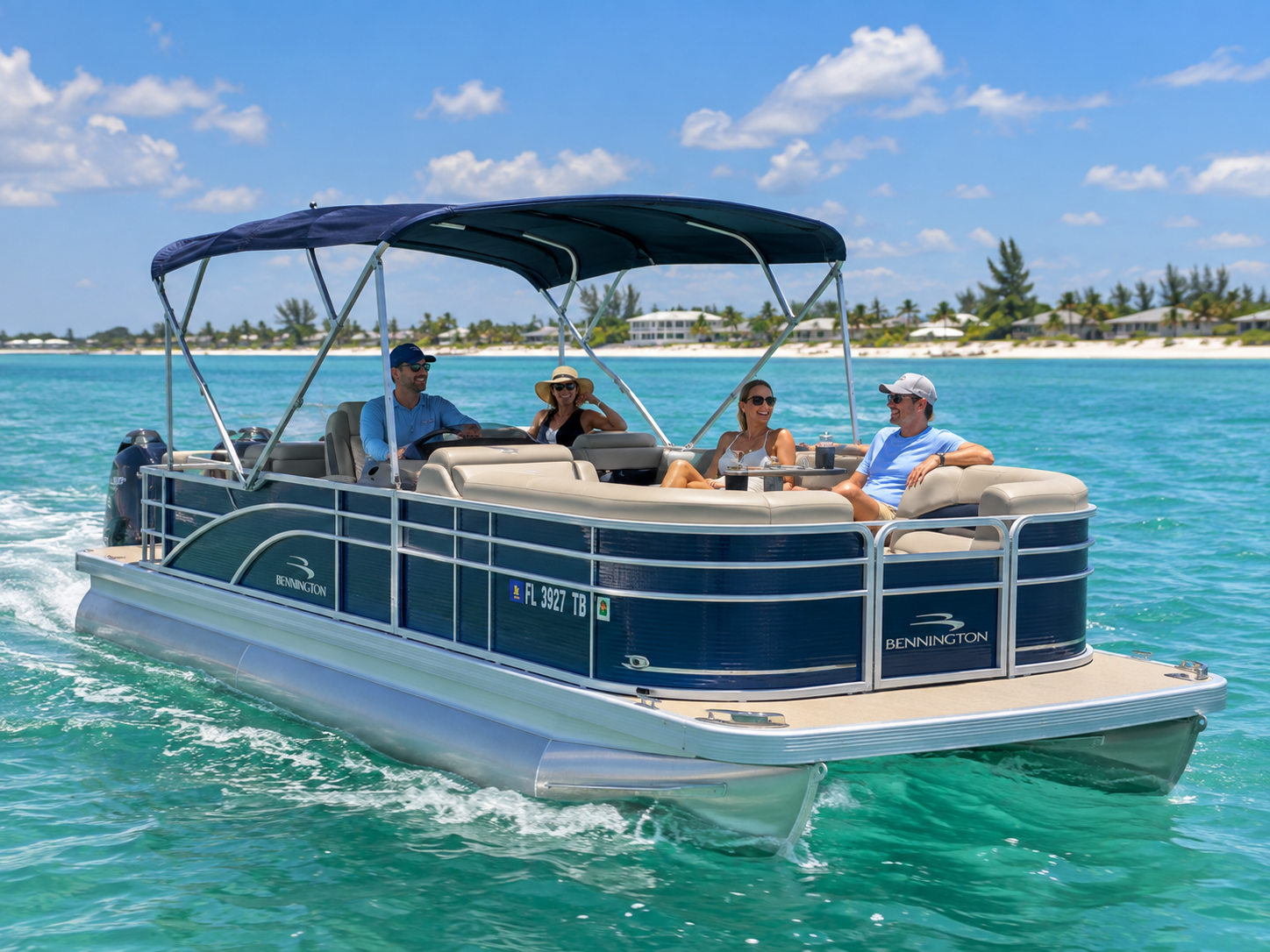
Passage Key and Coastal Wildlife Areas: What Responsible Visitors Should Know
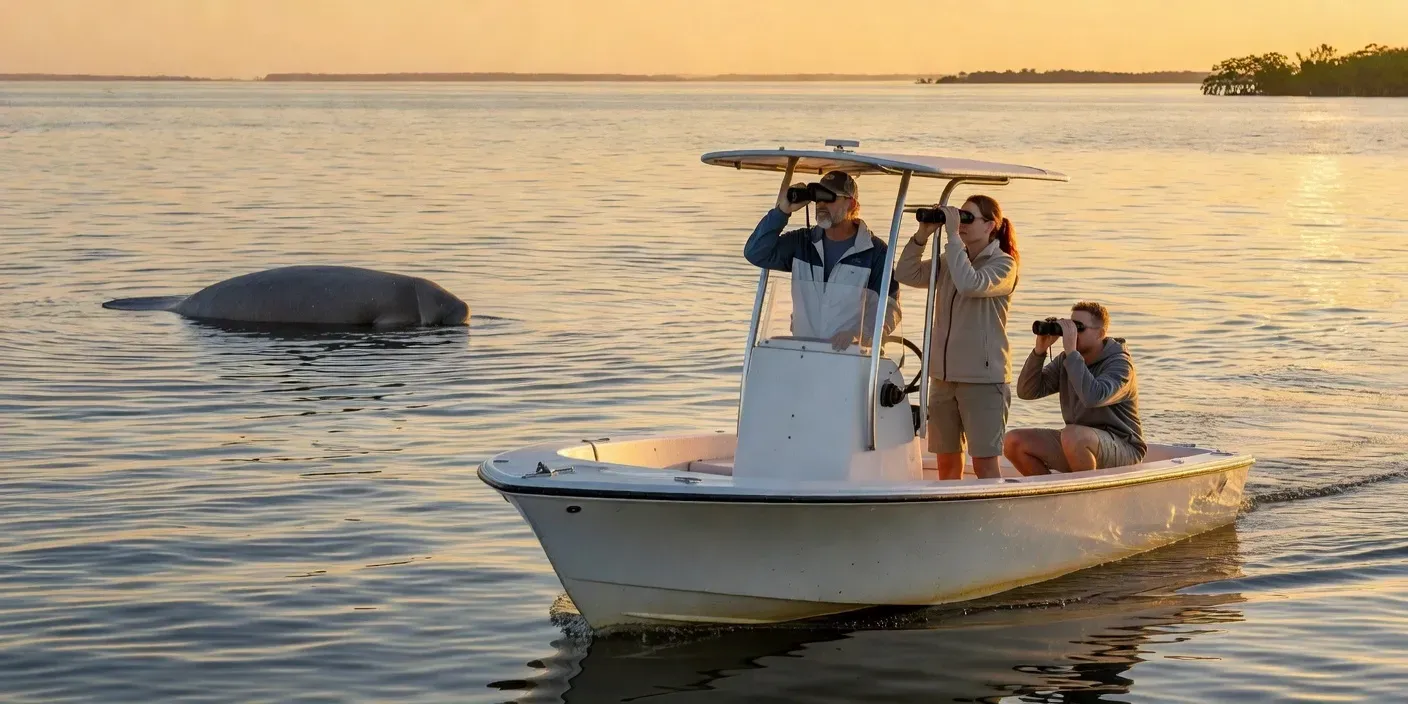
Responsible boaters near Passage Key and coastal wildlife areas need clear rules on wildlife distance, shallow water, and quiet stops. On Anna Maria Island, Florida, Anna Maria Island Boat Rentals helps families plan Sandbars and Keys & Waterfront Stops with care so groups protect birds, manatees, and seagrass while still enjoying calm water time.
Key takeaways
- Stay well clear of nesting birds and resting wildlife at Passage Key.
- Idle in shallows; avoid grounding that scars seagrass beds.
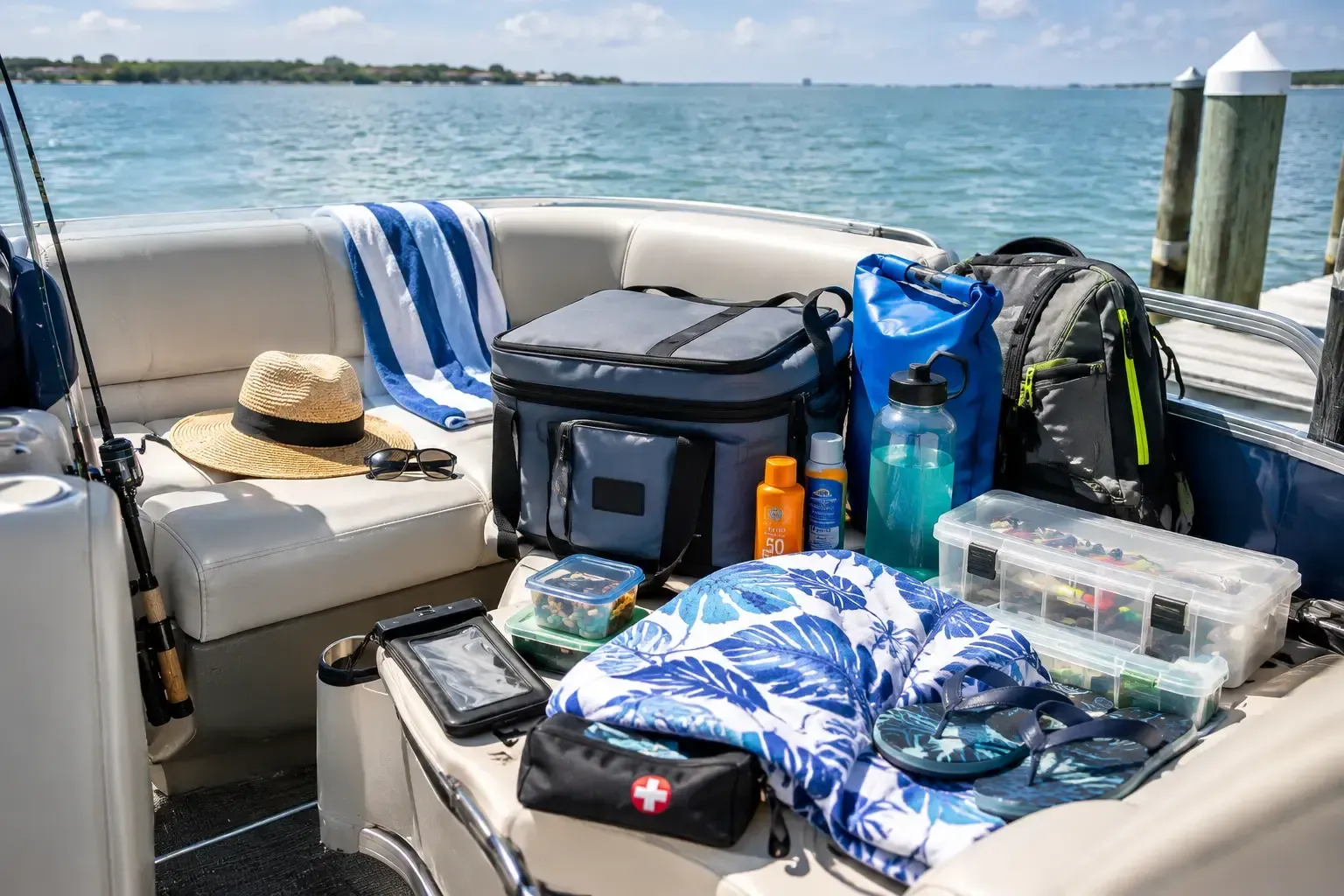
- Pack out trash; never feed or chase coastal animals.
- Check tides and markers before any Keys & Waterfront Stops run.
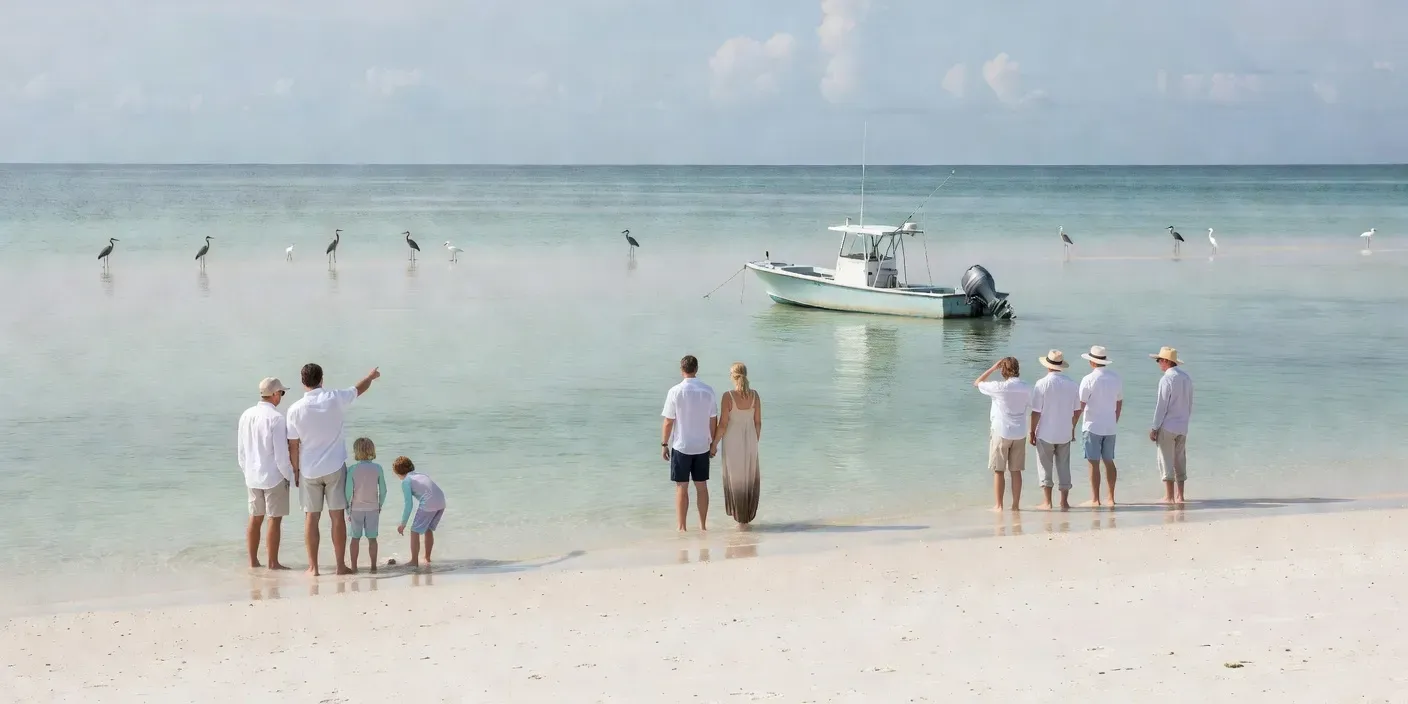
What should visitors know before stopping at Passage Key sandbars?
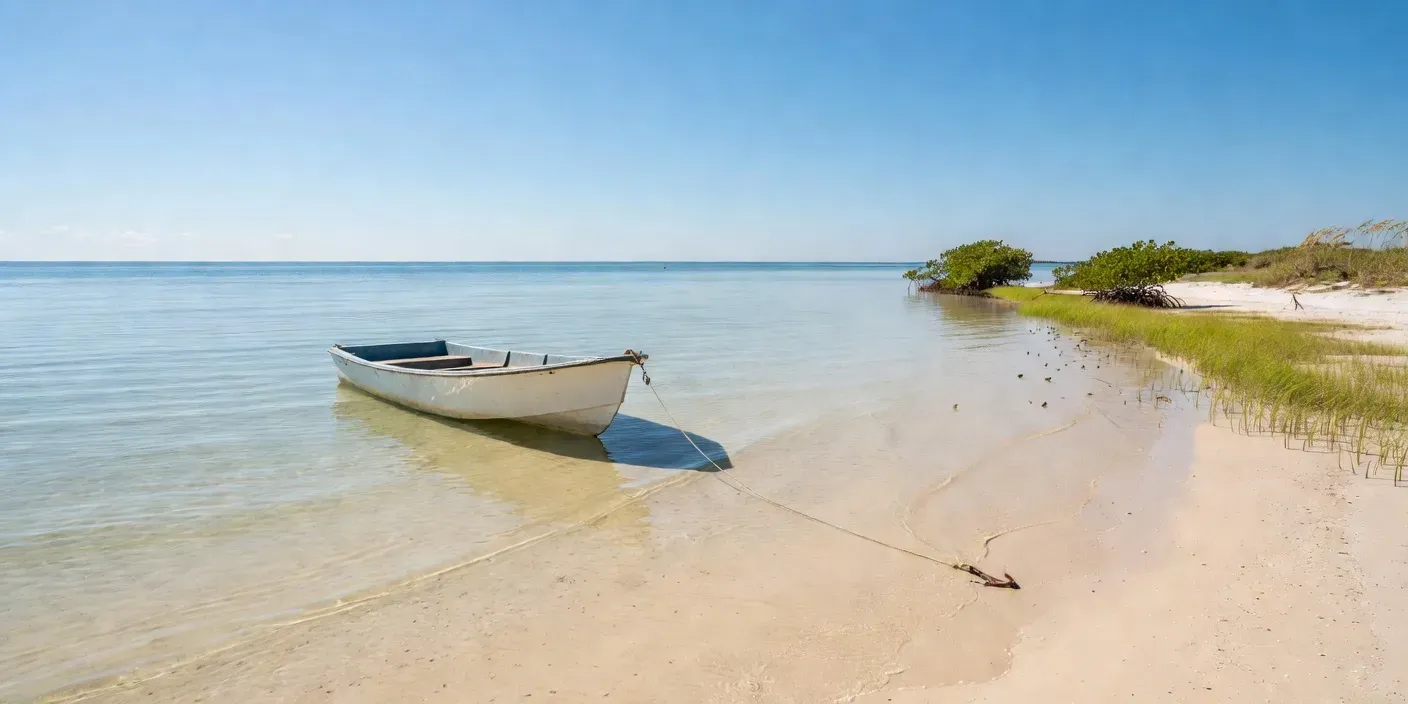
Responsible visitors treat Passage Key as a sensitive wildlife zone: keep engines idle in skinny water, hold generous distance from birds and marine life, skip loud music near roosts, and leave no trash so seagrass and nesting areas stay intact for the next group on Anna Maria Island, Florida.
Which Keys & Waterfront Stops fit different groups near Passage Key sandbars?
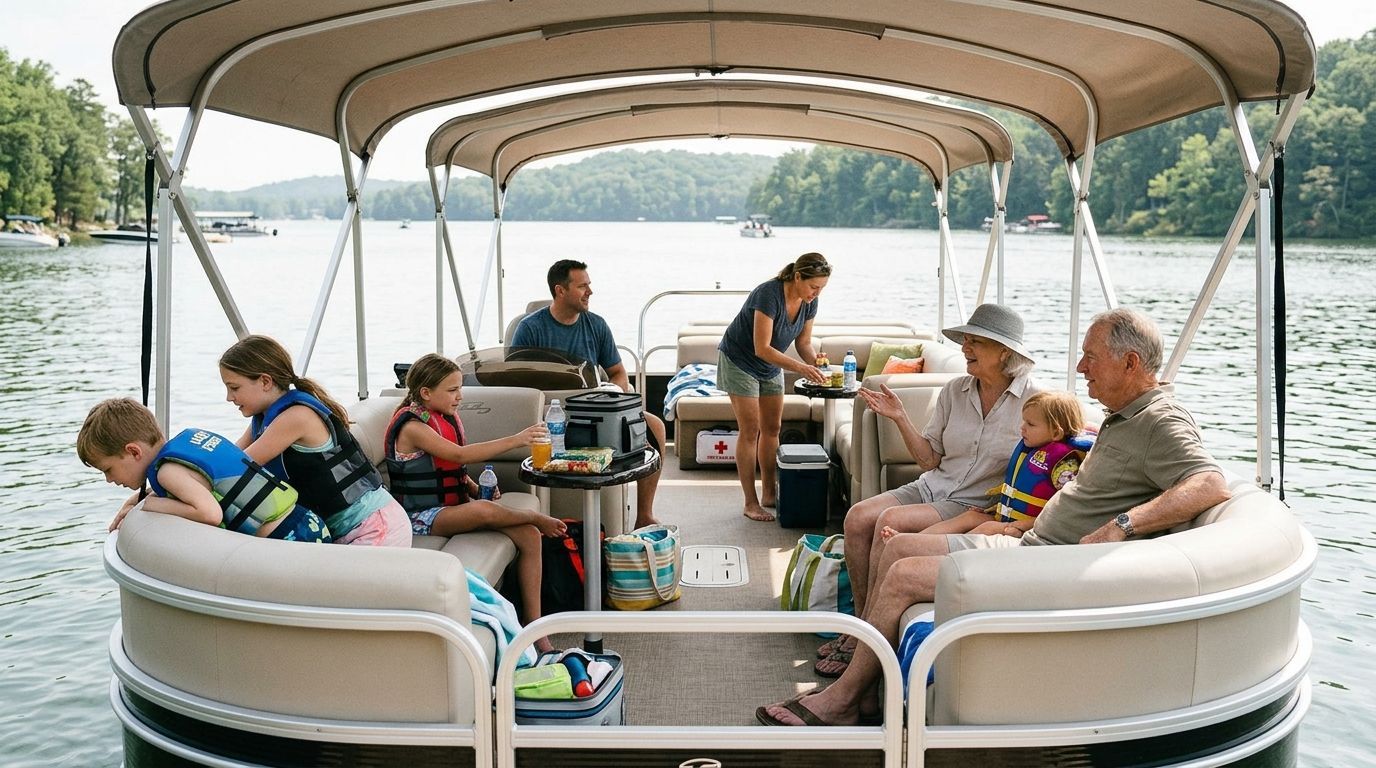
Choose stops by group size, tide window, and wildlife buffer: quiet sandbars for bird distance, slightly deeper edges for family idle time, and short waterfront pauses only when markers and depth allow safe holding without scarring seagrass around Passage Key on Anna Maria Island, Florida.
Match the stop to who is aboard and how long you can stay without crowding wildlife. Keep engines at idle once water thins. Give nesting and resting birds a wide berth so the sandbar stays usable for everyone.
| Option | Best for | Watch-out |
|---|---|---|
| Open Passage Key sandbar edge | Small groups wanting shallow play | Bird roosts; hold extra distance |
| Slightly deeper sandbar fringe | Families needing cooler idle water | Sudden skinny spots; watch prop |
| Nearby marked waterfront pause | Quick photo or rest stop | Congestion; keep noise low |
| Alternate Keys & Waterfront Stops run | Planners chasing better tide timing | Longer transit; confirm depth first |
Which Sandbar Approach Fits Your Group Best?
Choose the open Passage Key sandbar edge for short shallow play, the slightly deeper fringe when families need cooler idle water, or a marked waterfront pause only for brief rest always matching who is aboard, tide stage, and bird activity so sandbars around Anna Maria Island, Florida stay safe, uncrowded, and free of seagrass scars while engines stay at idle in thin water.
Quiet distance protects roosting shorebirds better than any single “best” spot. Small groups can wade the wet edge if they keep space and skip loud music. Families often prefer the fringe where kids can cool off without walking into sudden skinny patches.
Groups chasing better timing can treat Passage Key as one stop among broader Keys & Waterfront Stops rather than the only goal. Confirm depth before you commit the hull. Hold off the grass beds; props cut roots that take years to recover.
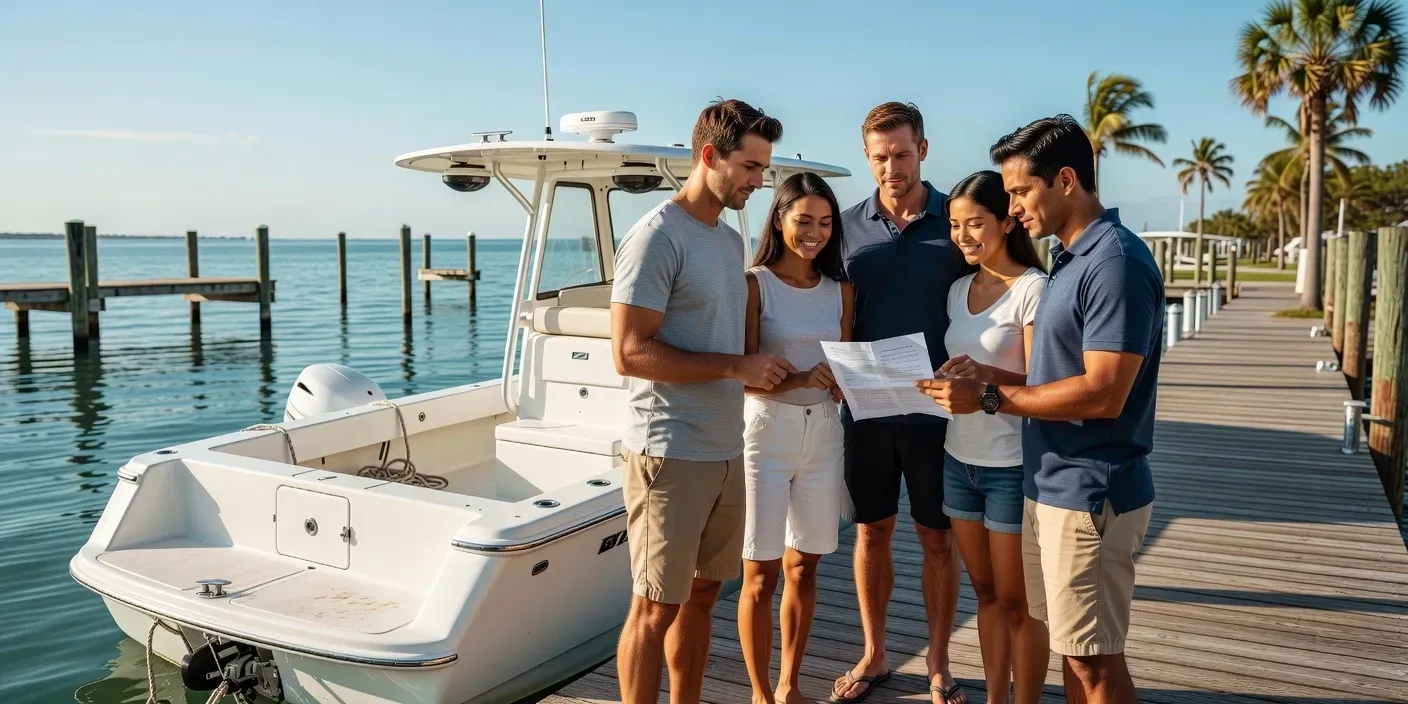
Anna Maria Island Boat Rentals helps vacation planners read local conditions so sandbars remain reachable without grounding. Match stop length to wildlife buffers, pack out trash, and never feed birds. When tide windows shift, revise the run instead of forcing a crowded edge.
How should visitors treat sandbars near Passage Key?
Responsible visitors treat sandbars as shared wildlife edges, not private beaches: idle in, hold off grass, keep short stops, and leave birds an open wet line so Passage Key and nearby Keys & Waterfront Stops stay usable for families and groups around Anna Maria Island, Florida.
Tide stage decides depth more than a map pin. Confirm the bottom before the hull settles. If shorebirds pack the crest, pick the fringe or move on rather than push closer.
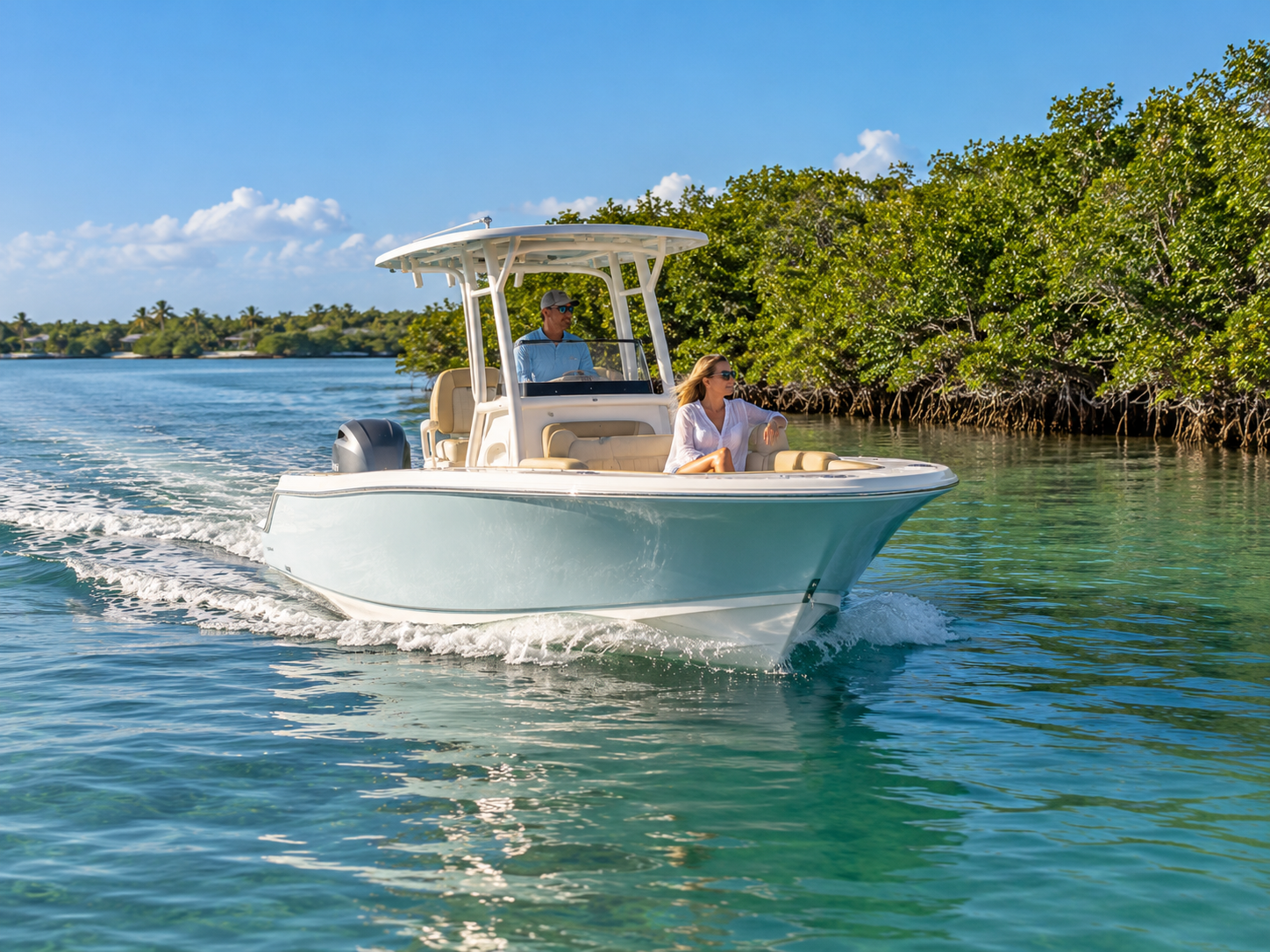
Props and sudden wakes cut seagrass that buffers the coast. Stay in clear sand pockets, keep engines at idle in skinny water, and limit loud music so small groups do not scatter roosts.
What belongs on a Keys & Waterfront Stops plan?
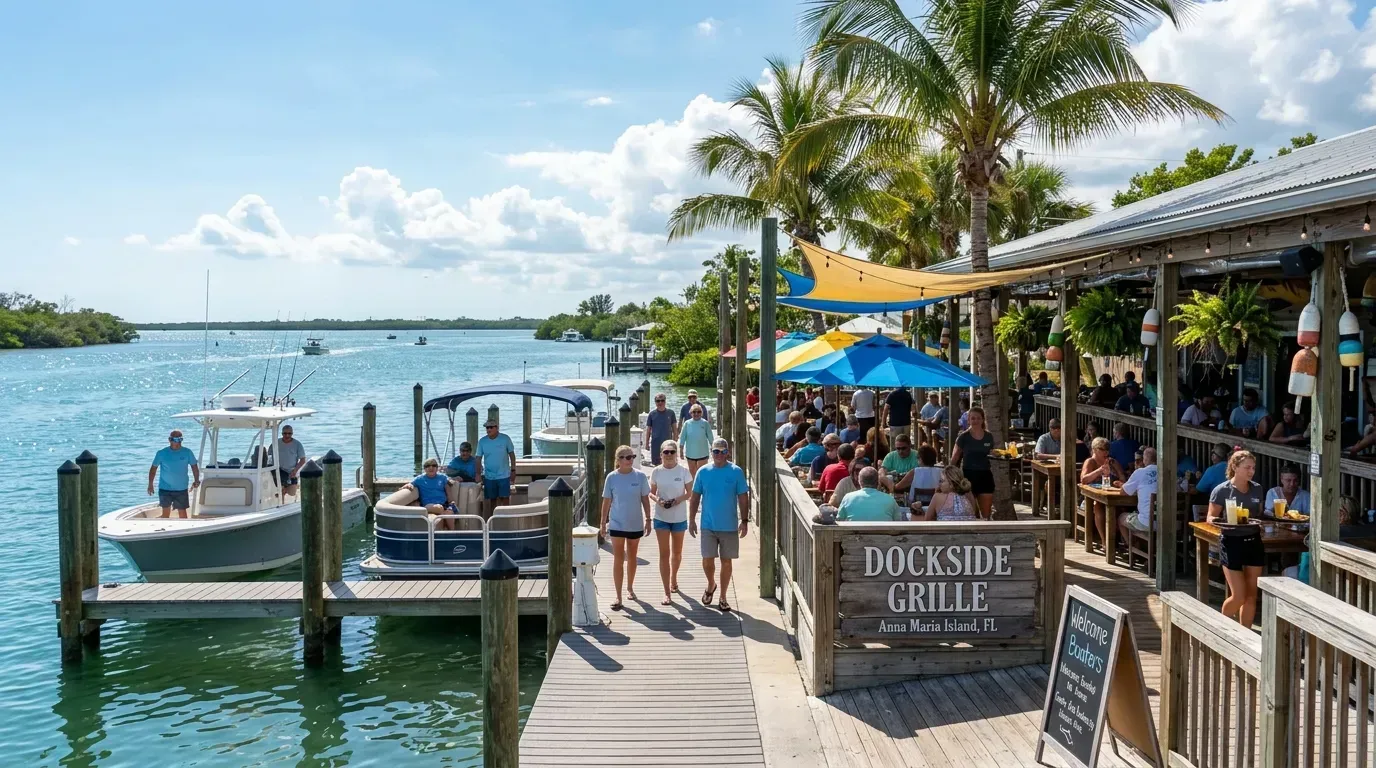
A sound Keys & Waterfront Stops plan ranks sandbars by tide window, wildlife buffer, and who is aboard, then adds brief waterfront pauses only for rest never as all-day anchors so Anna Maria Island visitors avoid scars, crowding, and grounding.
Match stop length to bird activity. Pack out every item. Skip feeding wildlife. When conditions tighten, shorten the list instead of forcing one famous edge.
Frequently Asked Questions
Why do sandbars near Passage Key need quiet distance from shorebirds?
Quiet distance keeps roosting shorebirds from burning energy on repeated flushes. Crowding the wet line forces birds off feeding and rest zones.
How do Keys & Waterfront Stops support groups when Passage Key access is limited?
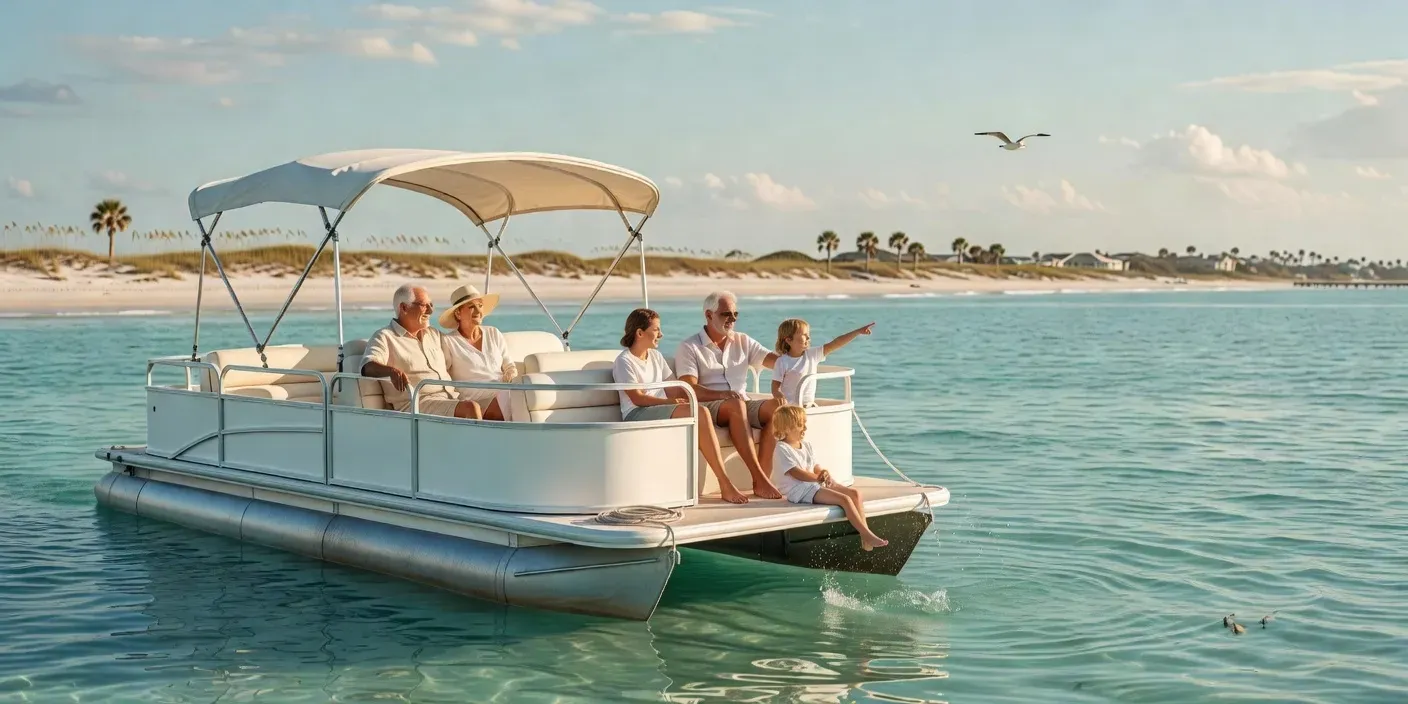
Approved Keys & Waterfront Stops give planners calmer holds, clearer nesting sight lines, and softer exits for pontoons and smaller parties. They reduce pressure on closed or buffered shores while still offering shallow play, short swims, and space for families who need room without long runs or heavy wake near channel flats.
Why should boaters match draft and breeze on Anna Maria Island Sandbars?
Draft that fits the day’s wind and tide keeps props clear of beds, cuts clouding from wash, and shortens risky beaching. Light breeze on leeward edges helps larger groups hold steady; forcing a crowded windward spit risks grounding, stressed wildlife, and rushed exits that spoil the stop for everyone aboard.
Preferred Source on Google Search
Add www.annamariaislandboatrentals.com to customize your search feed across Top Stories.