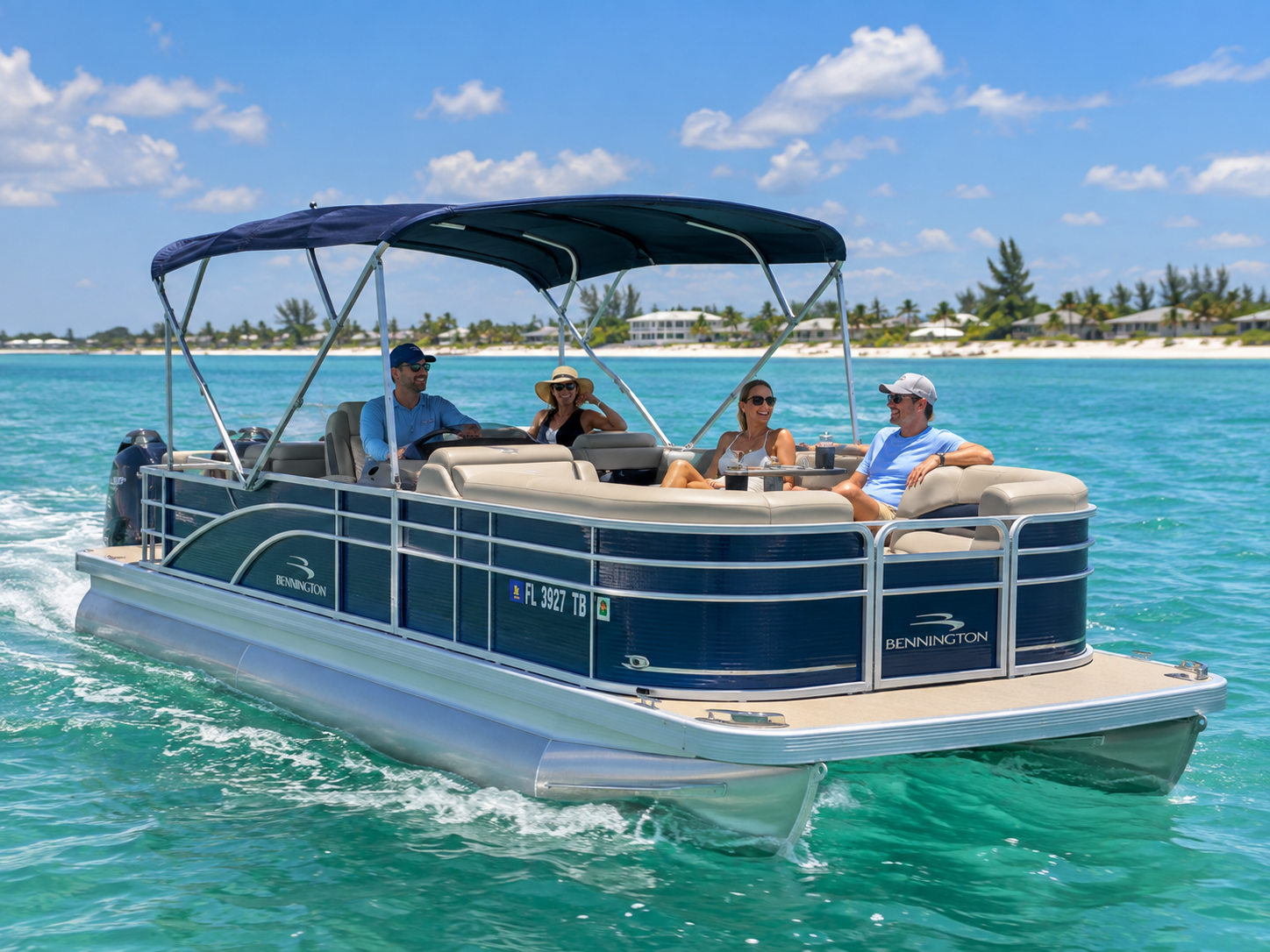
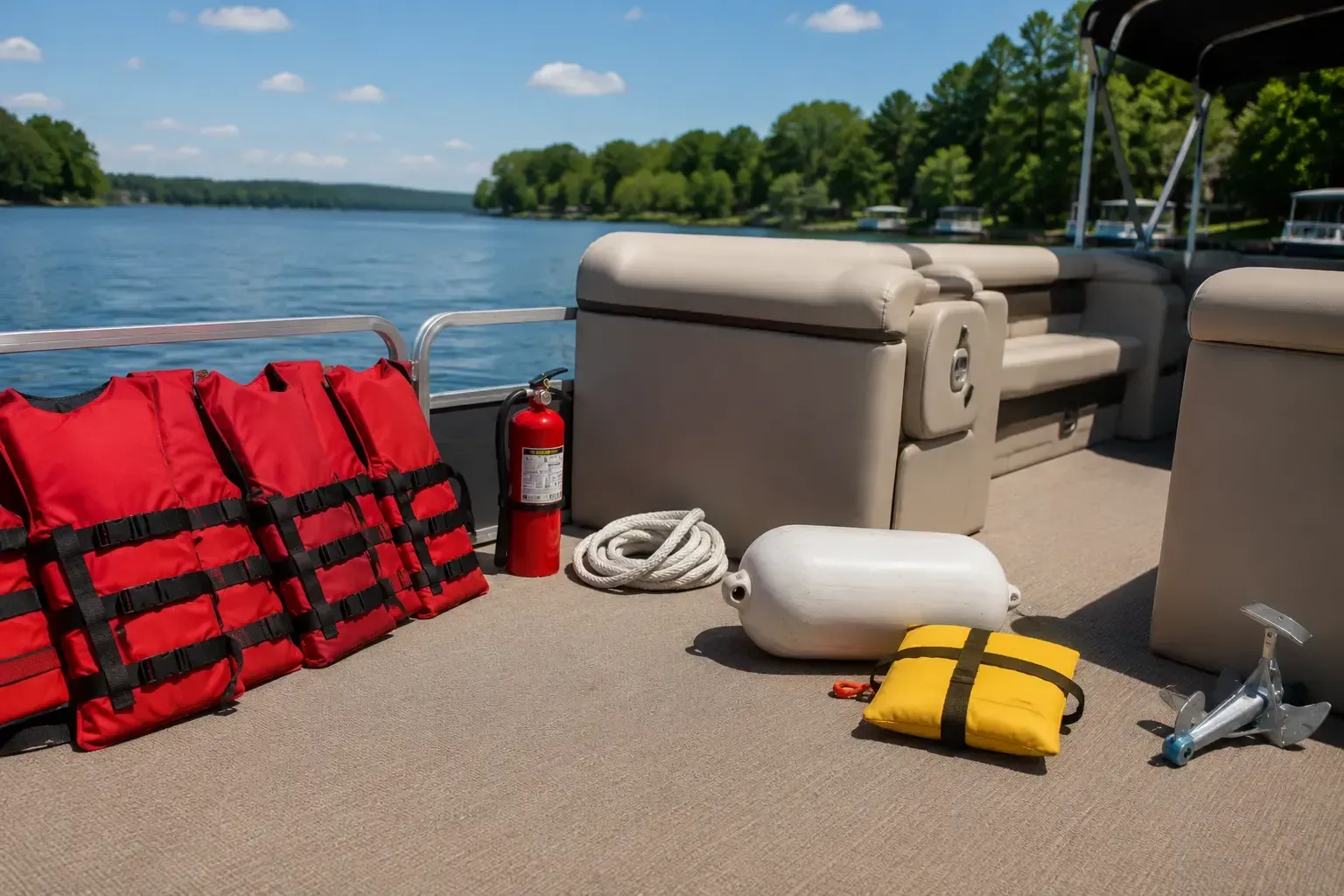
Anchoring Basics: Protecting the Boat, Seagrass, and Your Day on the Water
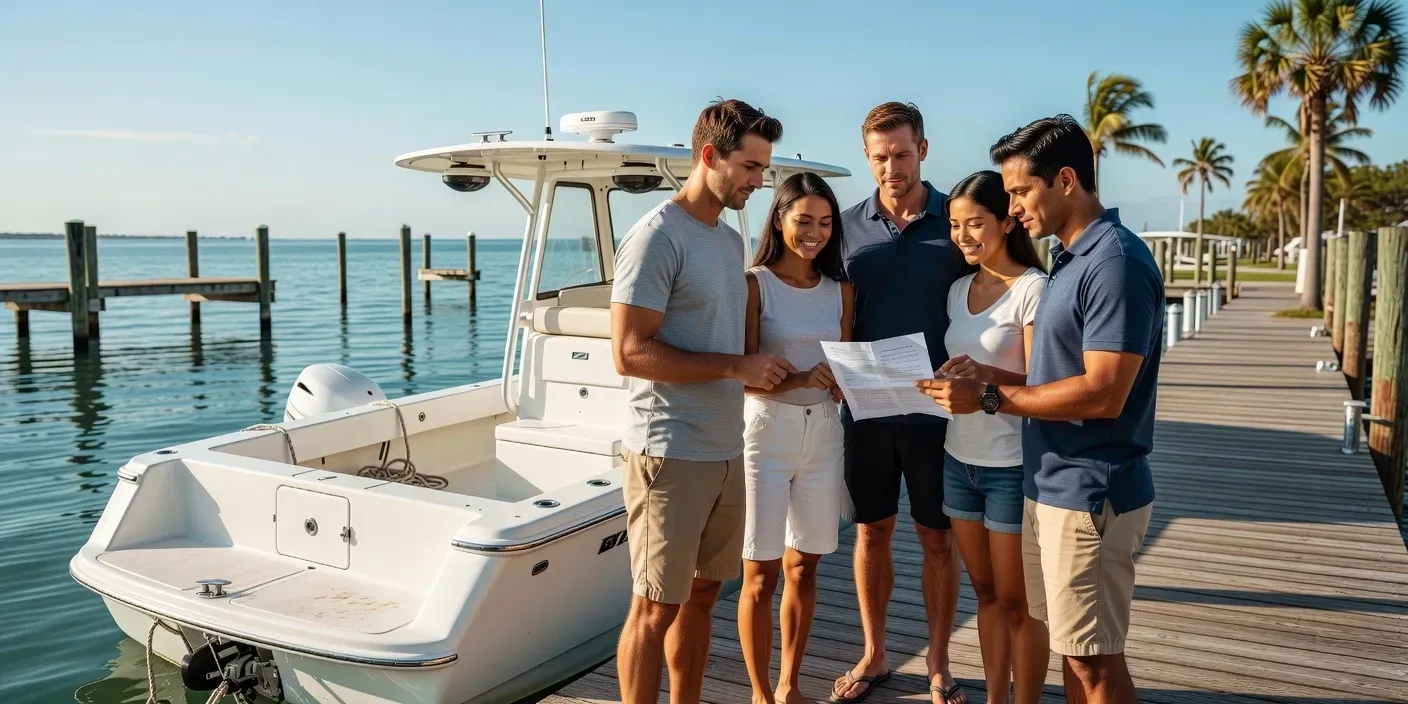
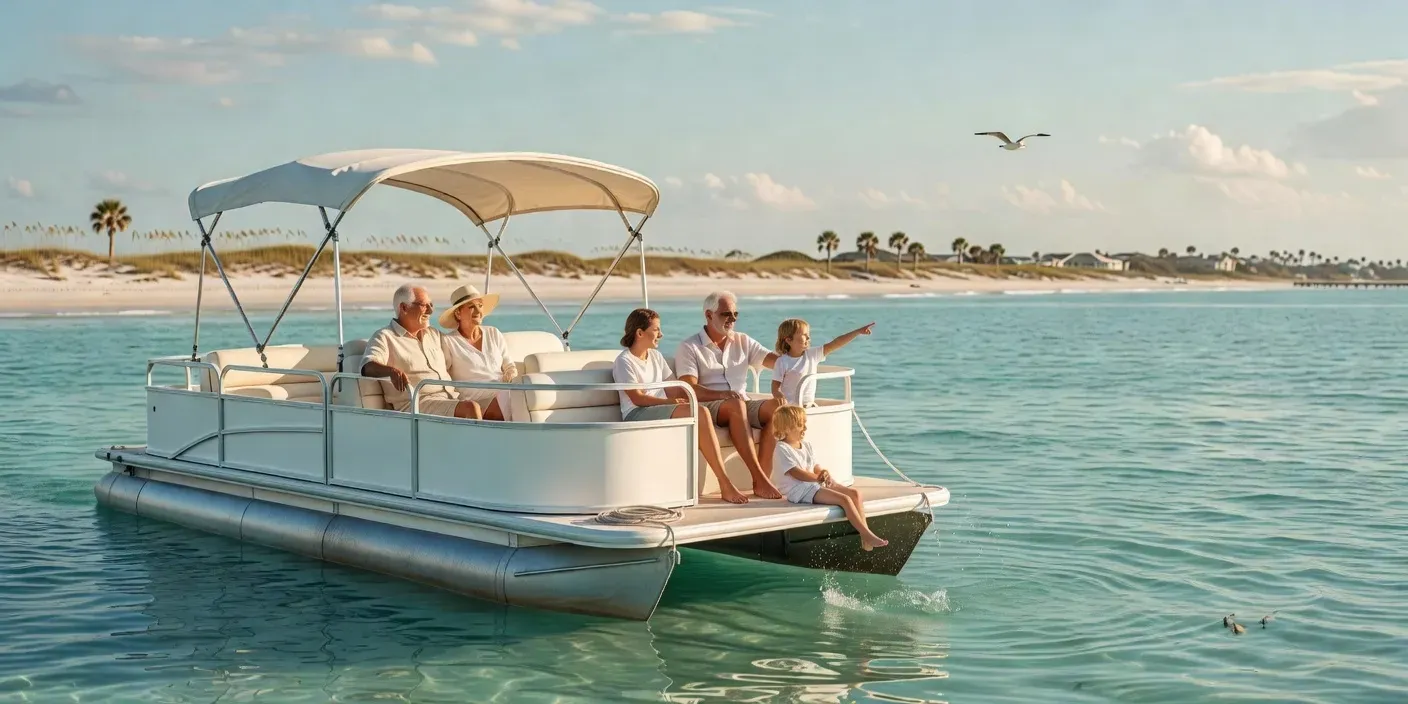
Anchoring well protects your hull, local seagrass, and the rest of your day afloat. On Anna Maria Island, Florida, sound boat rental safety means choosing sand over grass, setting the hook gently, and watching swing room. Anna Maria Island Boat Rental briefs visitors, families, and groups before you leave the dock.
Key takeaways
- Set the anchor in sand or mud, never in seagrass beds.
- Use enough scope so the boat holds without dragging.
- Check clearance for wind, tide, and nearby boats.
- Pull the hook cleanly so bottom habitat stays intact.
Why does careful anchoring matter for renters?
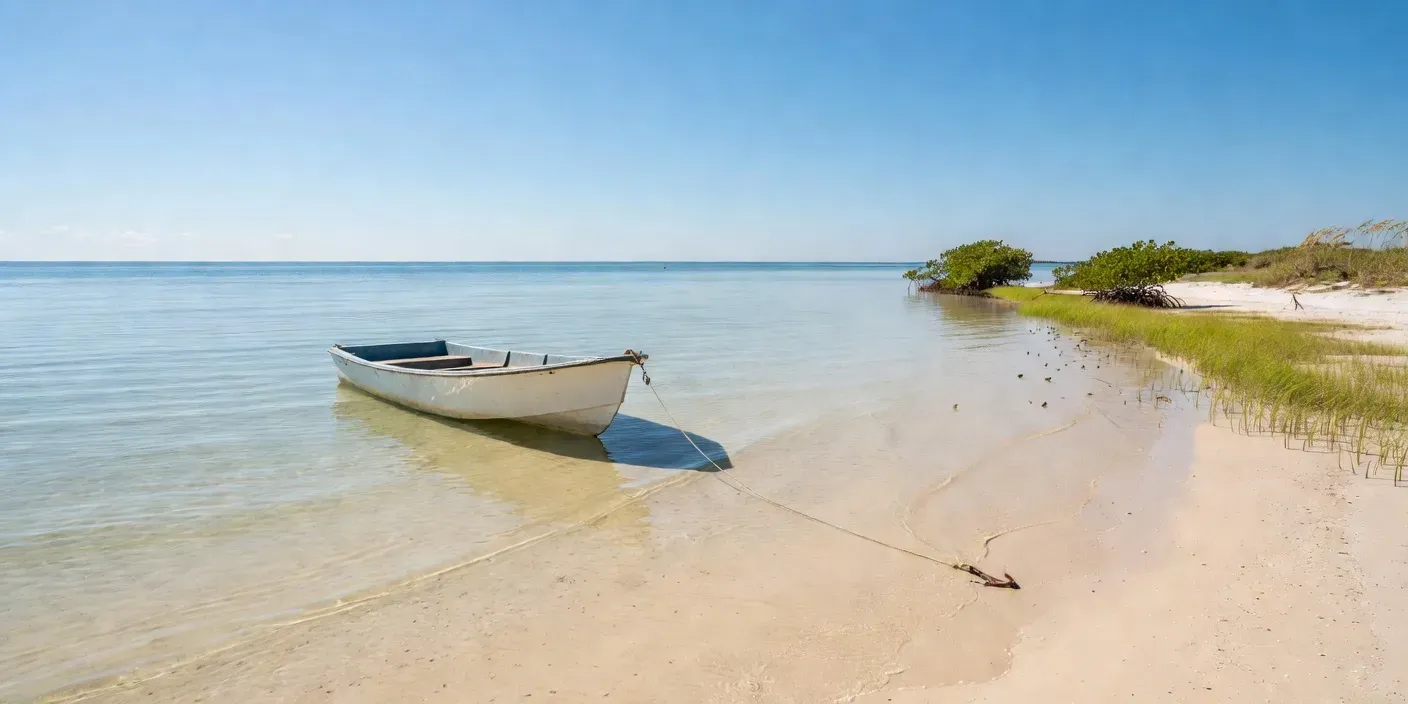
Careful anchoring keeps the boat secure, avoids costly bottom damage, and protects the seagrass that shelters fish and clear water around Anna Maria Island, Florida, so families and groups finish the day without a drag, grounding, or habitat harm.
Which bottom type is best for boat rental safety when anchoring?
For boat rental safety on Anna Maria Island, Florida, sand or firm mud is the best place to set the hook because the anchor digs cleanly, holds with proper scope, and lifts without tearing seagrass; avoid grass beds, rock, and unknown dark patches so your hull, prop, and the rest of the day stay protected while habitat stays intact for everyone sharing the water.
Choose bottom by eye before you drop. Light sand usually means a secure set. Dark continuous patches often mark seagrass you should skip.
| Bottom | Best for | Watch-out | Renter tip |
|---|---|---|---|
| Light sand | Holding power and clean retrieve | Soft spots near channels | Set gently, then reverse slowly |
| Firm mud | Calm coves and short stops | Sticky pull if scope is short | Use enough rode before testing |
| Seagrass | Not for anchoring | Prop wraps and torn roots | Move until sand shows |
| Mixed / unknown | Quick visual check only | Hidden rock or debris | Drift and look, then decide |
When you book a where to go boat outing, ask which local sand pockets work for your group size and wind. Before you leave the dock, contact the team for a quick bottom and scope brief matched to the day’s tide.
Which Anchor Scope Works Best for Boat Rental Safety Near Shore?
For boat rental safety on Anna Maria Island, Florida, use roughly five to seven times water depth in rode so the anchor pulls along the bottom, digs into sand or firm mud, and holds without dragging into seagrass; shorter scope risks a vertical yank that pops the hook free, while excess line can swing you into neighbors or shallow grass edges when wind or tide shifts.
Scope is the ratio of free rode length to depth under the boat. Measure depth at the spot, add freeboard if needed, then pay out rode before you set.
Let the boat drift back slowly as line goes out. When enough rode is out, ease into reverse and feel for a solid dig rather than a skip.
Watch swing room. A long rode keeps the set strong but widens your arc, so leave clear sand between you and other boats or grass lines.
How Do You Set the Anchor Without Damaging Seagrass?
For boat rental safety around Anna Maria Island, Florida, drop the hook only on bare sand or firm mud, never into seagrass beds, then reverse slowly until the fluke bites so the rode stays low, the boat stays put, and fragile grass meadows that shelter fish and stabilize the bay bottom stay intact for everyone sharing the water.
Ease toward open sand, lower the anchor until it touches, and pay out scope before power sets it. A clean dig holds better than a rushed toss into green patches.
If the rode drags toward grass edges, reset on clearer bottom rather than hoping the hook stays put. Calm water and a firm set keep the hull safe and the day unhurried.
When you book a pontoon or center-console outing, ask which nearby coves offer sand pockets sized for your group and the tide you will meet.
What Should You Check Before You Leave the Anchor Spot?
Before you haul anchor for boat rental safety, confirm the rode is free of grass and shell, motor forward slowly while retrieving line so the fluke breaks out cleanly, and stow gear so nothing fouls the prop on the ride back toward the dock or your next sandbar stop.
Watch depth and neighbors as you pull. A controlled breakout protects the bottom and avoids a sudden swing into shallow grass.
Frequently Asked Question
Why does scope matter more than anchor weight alone?
Scope lets the rode pull horizontally so the fluke digs and stays set. On Anna Maria Island, Florida, five to seven times depth usually balances hold and swing. Too little scope lifts the shank and risks drag into seagrass when wind or current builds.
Can I anchor in seagrass if the water looks deep enough?
No. Seagrass is protected habitat and a poor holding bottom. Choose bare sand or firm mud, set with proper scope, and relocate if the hook skids toward green beds. That habit supports boat rental safety and keeps meadows healthy for fish and clear water.
How much anchor rode should renters use in Anna Maria Island shallows?
Use at least five times the depth in calm water and seven or more when breeze builds so the rode lies along the sand. That angle helps the fluke dig and hold. Recheck after tide or wind changes so boat rental safety stays intact for swimmers and the hull.
Preferred Source on Google Search
Add www.annamariaislandboatrentals.com to customize your search feed across Top Stories.