How to Avoid Grounding a Rental Boat in Shallow Gulf Coast Waters
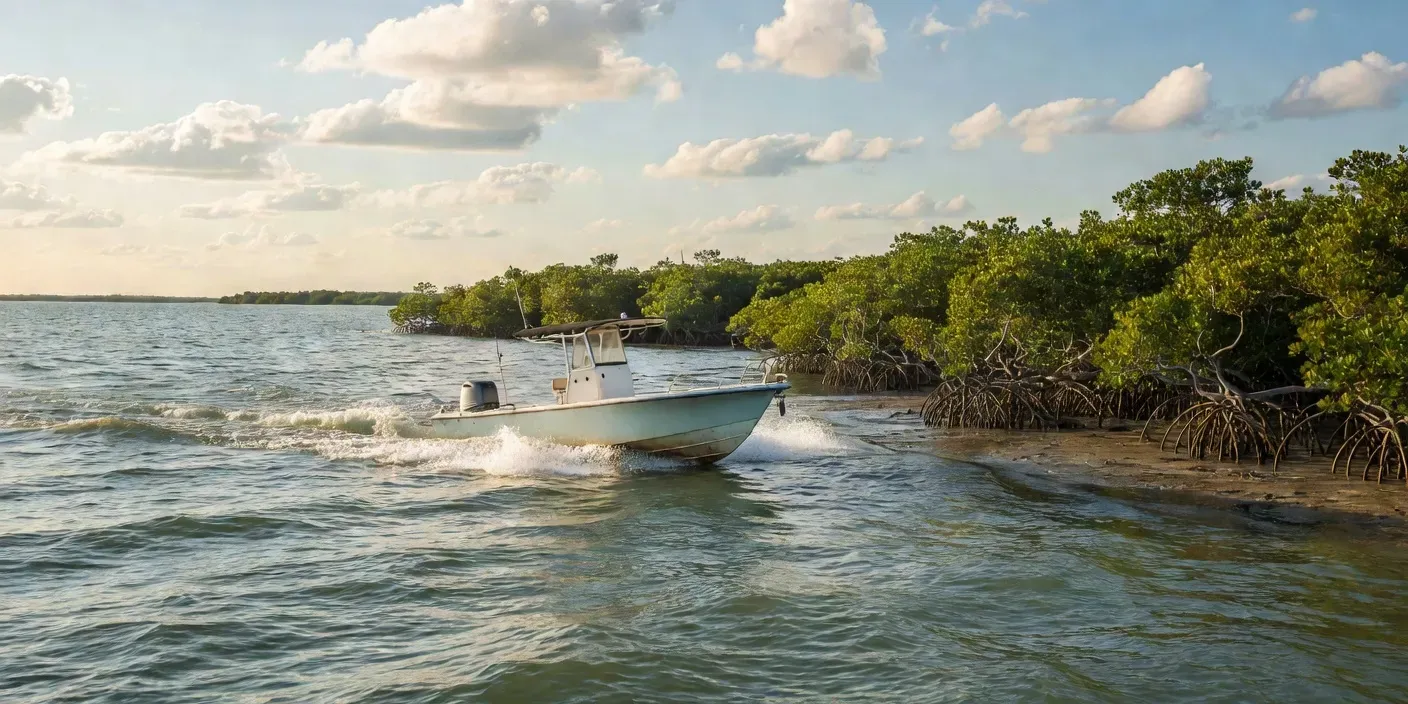
Shallow Gulf flats near Anna Maria Island, Floridaa demand slow speed, constant depth checks, and clear crew roles. Anna Maria Island Boat Rentals pairs Safety Equipment & Boating Orientation with local charts so families and groups know markers, draft limits, and when to idle before sandbars stop the hull.
Key takeaways
- Confirm draft, tide stage, and idle-only zones before leaving the dock.
- Assign one lookout for color changes and bird-line shallows.
- Use charts and GPS depth as a pair, not as substitutes.
- Idle reverse off soft bottoms; never power through a touch.
What should you check before you leave the dock?
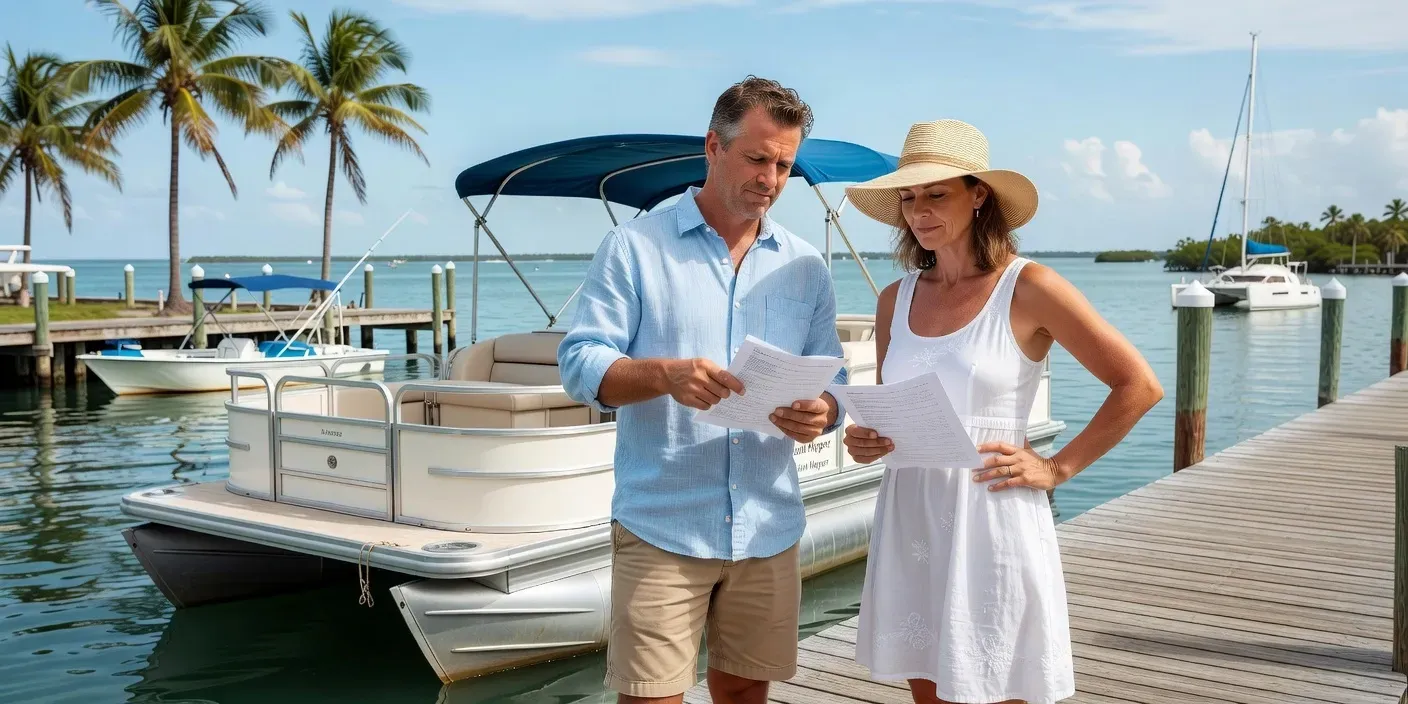
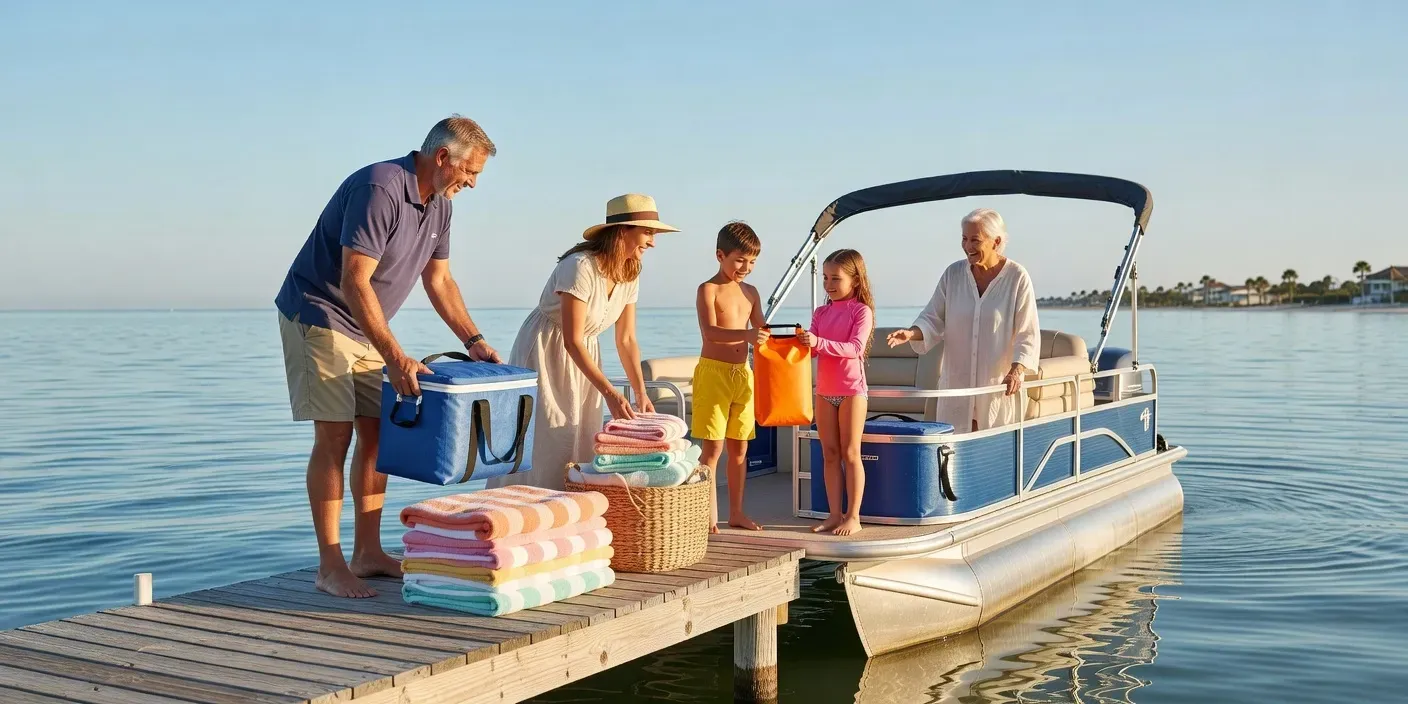
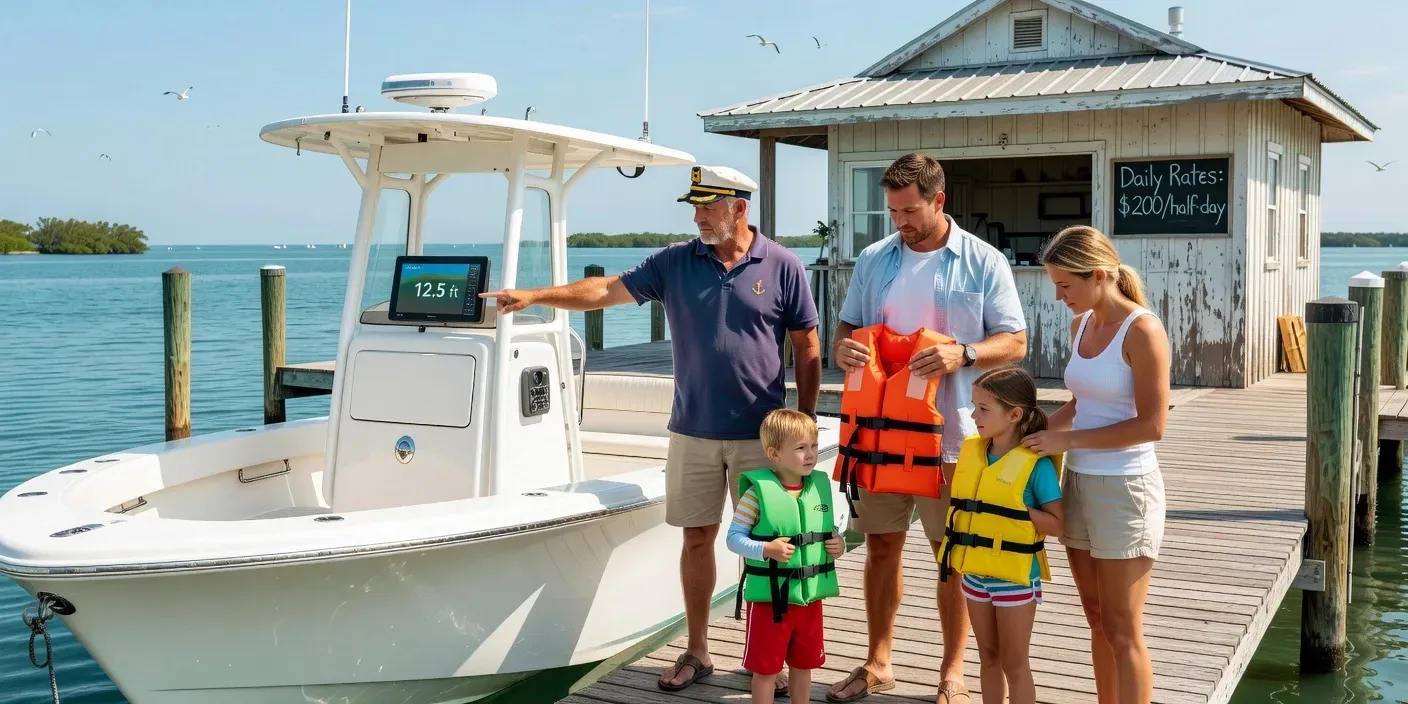
Before you cast off, verify life jackets fit every passenger, the throw cushion and fire extinguisher are reachable, the kill switch clips on, and the depth sounder or paper chart matches today’s tide; then walk the route with your group so everyone knows idle zones, channel markers, and who watches color shifts. Compare calm-morning departures versus windy afternoon runs, and contact the team to lock orientation timing for your party size.
Which depth tools and crew roles work best in shallow Gulf flats?
On Anna Maria Island, Floridaa, pair a working depth sounder with a paper or app chart, assign one bow lookout for water-color changes, keep a second person on the throttle for idle-only moves, and treat Safety Equipment & Boating Orientation as the shared checklist so draft, tide, and kill-switch habits stay consistent before any sandbar approach.
| Option | Best for | Watch-out | Decision criterion |
|---|---|---|---|
| Depth sounder + chart | Groups new to local flats | Ignoring lag on sudden rises | Confirm reading vs. known marker depth |
| Bow color lookout | Bright midday runs | Glare and polarized-lens gaps | Call “idle” on pale green or brown |
| Throttle-only idle lead | Soft-bottom touch recovery | Powering forward after a bump | Reverse slow; never gun off |
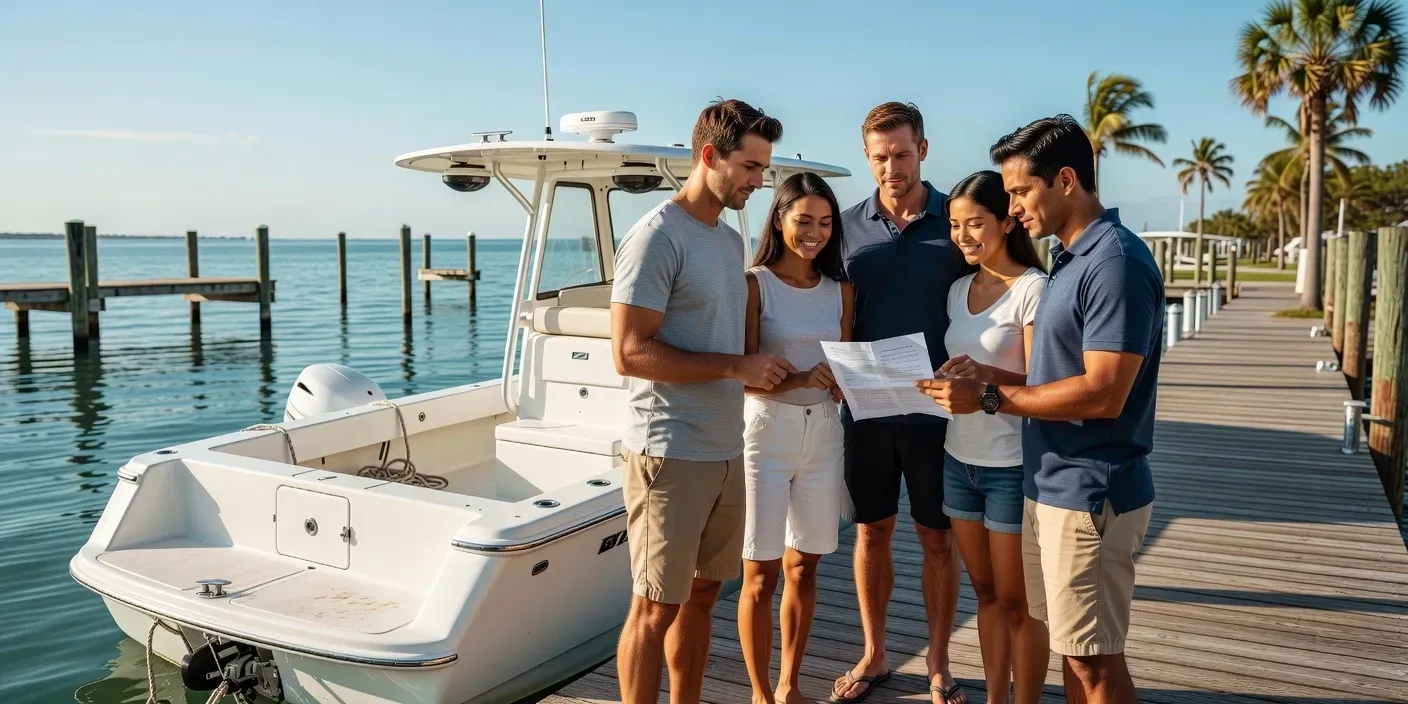
| Full crew brief at dock | Families and mixed experience | Skipping roles after cast-off | Name lookout, driver, and gear lead |
Keep paragraphs short: restate draft limits, tide stage, and idle zones once more before you leave protected water. Choose the mix that matches your group size and light conditions, then stick to it until you are back in deeper marked channels.
Which Mix Beats a Single Tool on Anna Maria Island Flats?
On Anna Maria Island, Floridaa, the strongest anti-grounding mix is depth sounder plus chart as primary, a bow color lookout as backup, and a throttle-only idle lead for soft touch recovery, all locked in during Safety Equipment & Boating Orientation so draft, tide stage, and kill-switch use stay shared before any sandbar or unmarked flat.
Sounder lag still fools first-time groups when the bottom rises fast. The lookout catches pale green or brown before the number does. Idle-only reverse after a bump saves props better than powering ahead.
Match the mix to light and crew size. Midday glare favors polarized lenses and a named bow caller. Larger families need a gear lead who keeps PFDs, throwables, and the kill switch in play without cluttering the helm.
Restate your draft limit and the day’s tide window once more before leaving protected water. Stick to marked channels when color reading fails.
When you are ready to lock roles and gear for your date, Contact Anna Maria Island Boat Rentals so Safety Equipment & Boating Orientation fits your group before cast-off from Anna Maria Island, Floridaa.
How Do You Read Color Before the Sounder Catches Up?
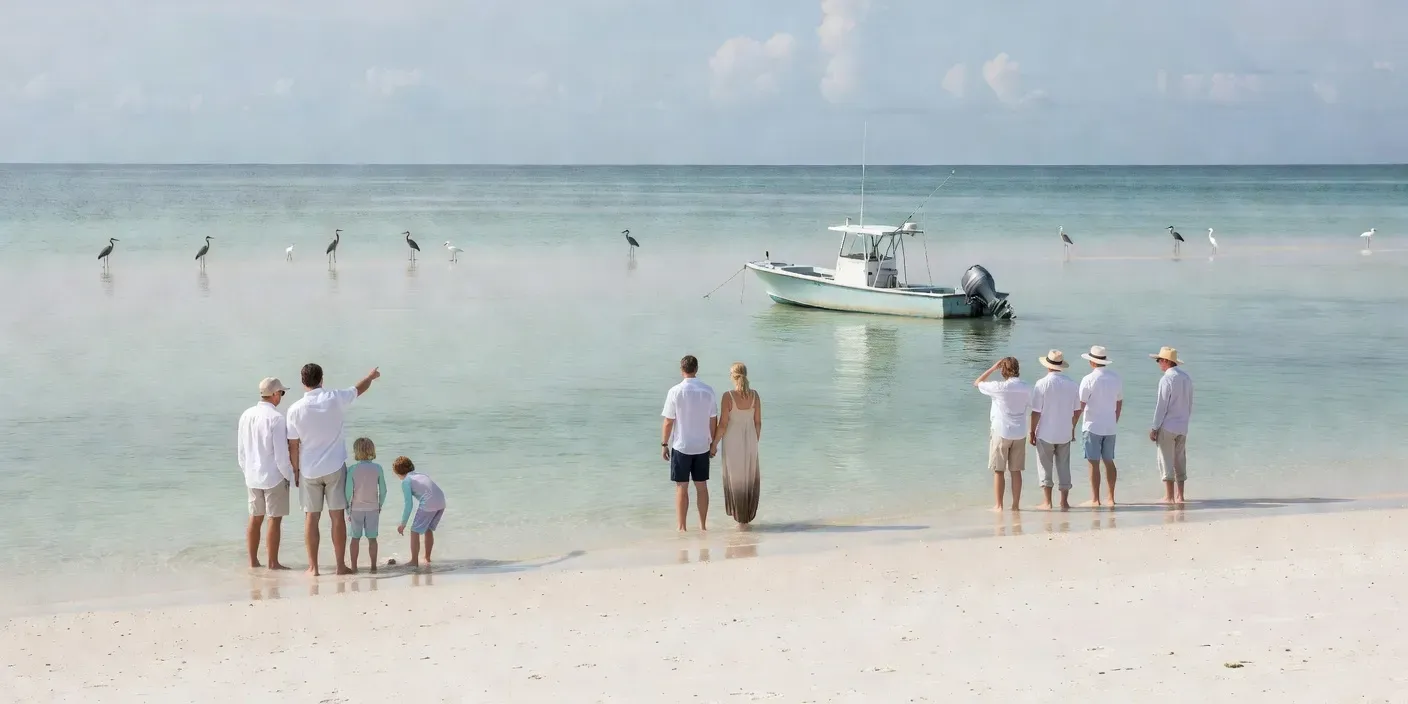
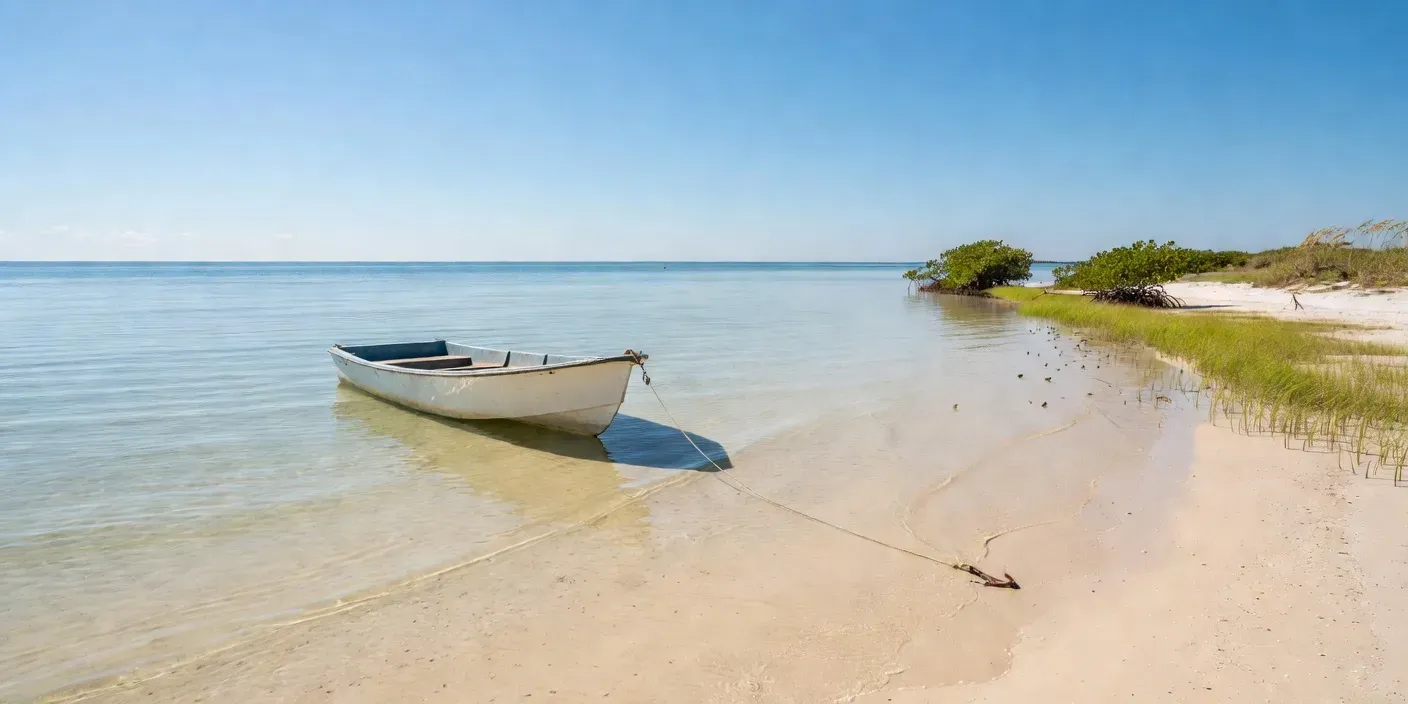
Color reading buys seconds when flats rise faster than the depth number updates during Safety Equipment & Boating Orientation. Pale green often means sand under a few feet; brown or milky patches can mean thinner water or grass. Train one bow lookout to call color changes out loud so the helm can idle early.
Glare hides those cues. Polarized sunglasses and a shaded brow help families and groups share the same view. Midday sun on Anna Maria Island, Floridaa, can flatten contrast, so slow sooner than the chart alone suggests.
Keep the sounder as confirmation, not the only vote. When color and depth disagree, favor the shallower call until you reenter a marked channel.
What Decision Criteria Separate Safe Idle From a Hard Grounding?
Draft, tide stage, speed, and crew roles are the four criteria that matter most for rental boats near sandbars. Know your vessel’s draft from orientation, then add a buffer for chop and soft bottom. Idle only when the bottom is rising; reverse gently if you kiss sand.
Groups need named jobs: helm, bow caller, and gear lead for PFDs and the kill switch. Vacation planners should match boat length and passenger count to expected flats, not only to calm-bay photos.
Compare options by how clearly the outfitter covers those criteria before cast-off. A short shared checklist beats last-minute guesses when light fades or wind pushes you sideways.
Safety Equipment & Boating Orientation Checklist for Flats Days
Safety Equipment & Boating Orientation should lock draft limits, tide windows, kill-switch use, throwable placement, and who watches color versus the sounder.
Anna Maria Island Boat Rentals frames that mix so visitors leave the dock with shared rules, not scattered phone apps.
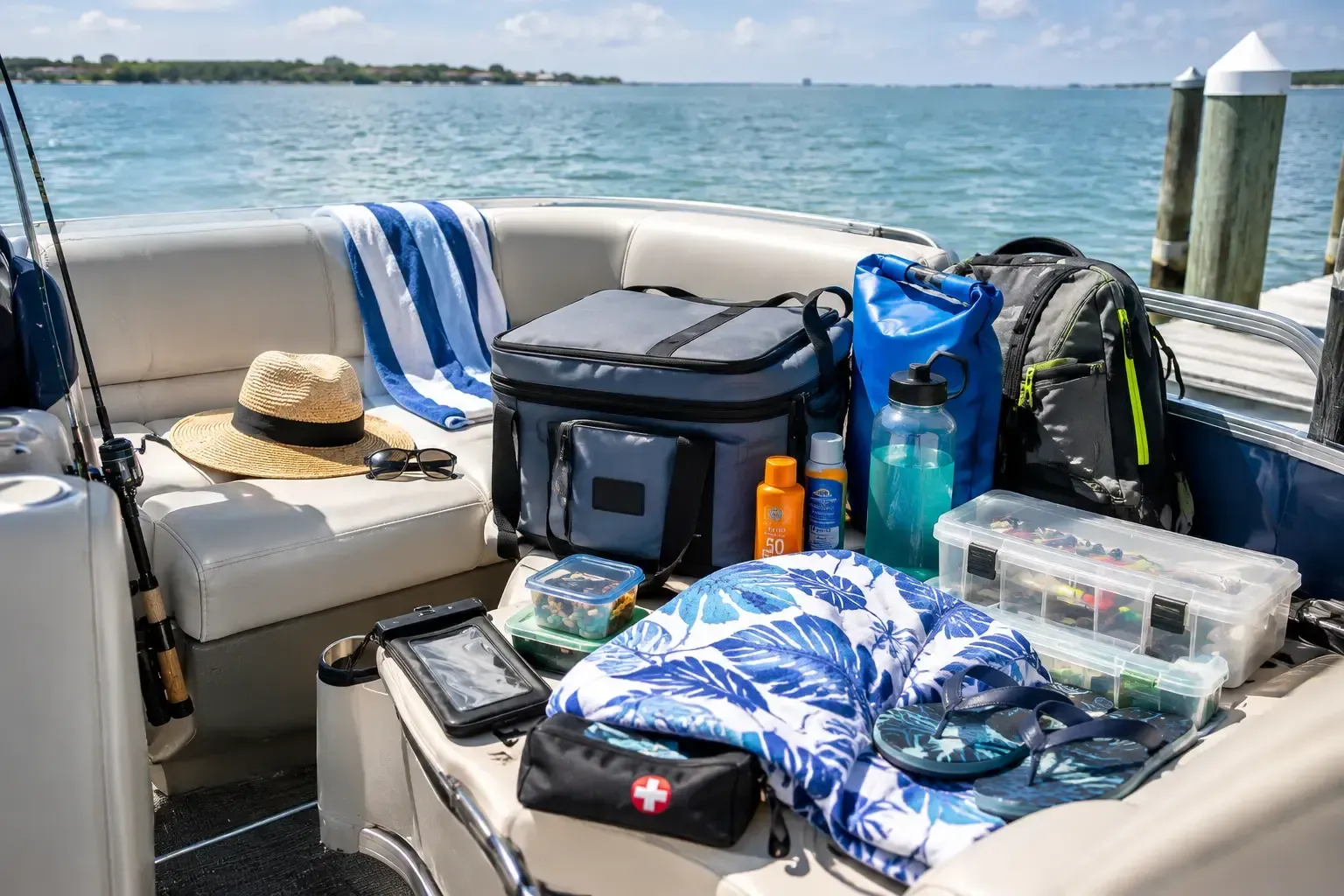
Carry polarized lenses, a working depth display, and a simple paper or offline chart backup. Confirm VHF or phone plan for local help without relying on spotty signal over open flats.
Restate roles once more after gear is stowed. Families stay calmer when the bow caller and helm already practiced idle-only recovery language on protected water.
Frequently Asked Questions
Preferred Source on Google Search
Add www.annamariaislandboatrentals.com to customize your search feed across Top Stories.