Bird Sanctuaries and Sensitive Areas: Boating With Respect for Local Wildlife
Key Takeaways
- Identify marked bird sanctuaries and restricted wildlife areas before choosing your route.
- Passage Key National Wildlife Refuge is closed to public use year-round.
- Slow down around dolphins, manatees, and other marine animals, and never chase them.
- Protect seagrass beds by following marked channels and avoiding shallow areas.
- Practice responsible Fishing by managing lines, hooks, bait, and any waste.
Why Are Bird Sanctuaries Important Around Anna Maria Island?
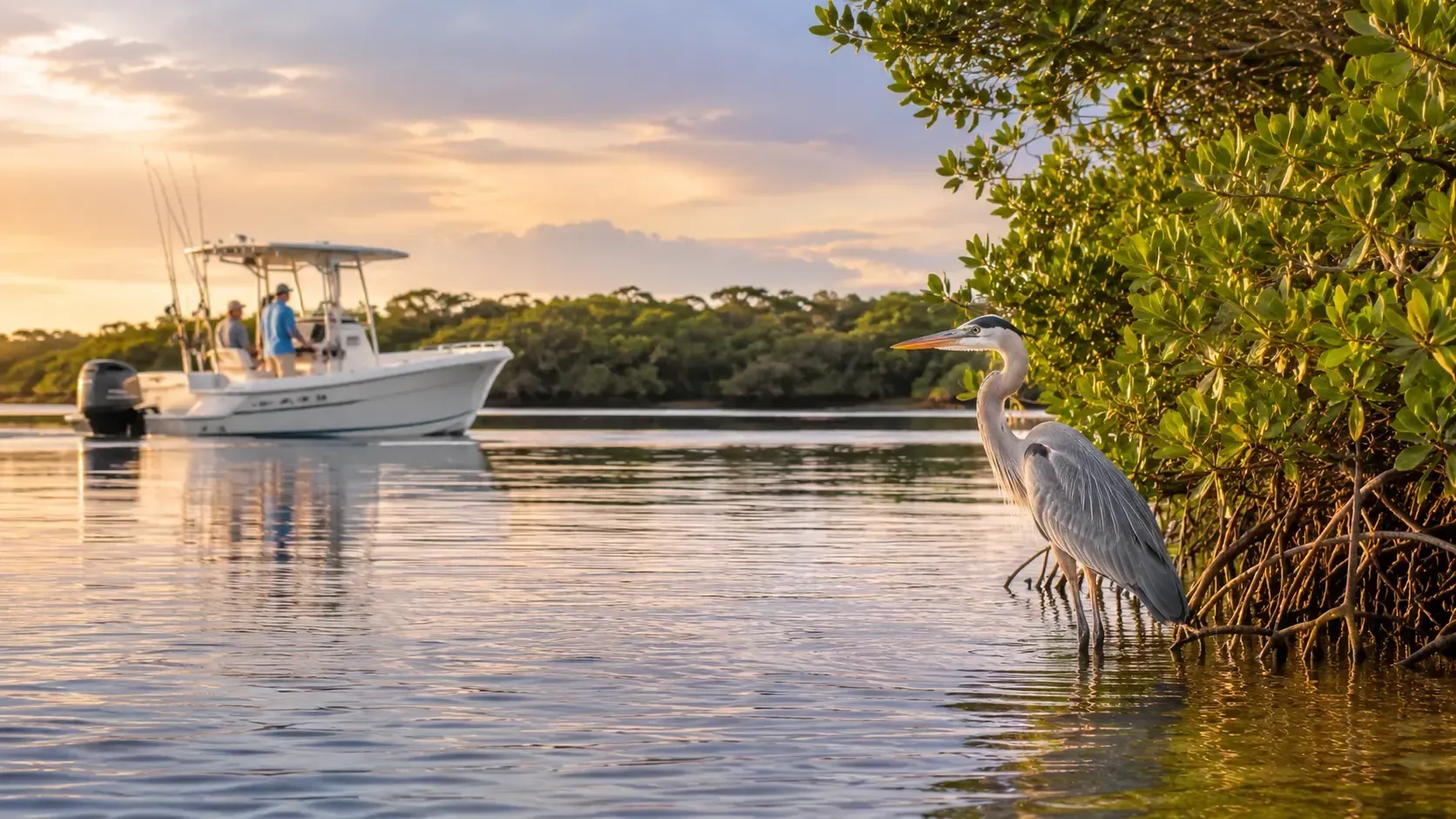
Coastal birds depend on quiet shorelines, islands, and sandbars for nesting, feeding, and resting. These locations can look like ordinary stretches of sand from a boat, but they may provide important habitat for species such as pelicans, terns, gulls, and shorebirds.
Passage Key, located near the mouth of Tampa Bay, is an important example. The area provides habitat for nesting, resting, and feeding birds. Because of its small size and importance to wildlife, Passage Key National Wildlife Refuge is closed to all public use year-round.
Other sensitive wildlife areas are found around Egmont Key. Some sections are designated wildlife sanctuaries and are closed to public access. Boaters should watch for posted signs, respect marked boundaries, and avoid landing in restricted locations.
These protections help birds conserve energy and complete important parts of their life cycles without repeated disturbance.
How Can Boaters Recognize Sensitive Wildlife Areas?
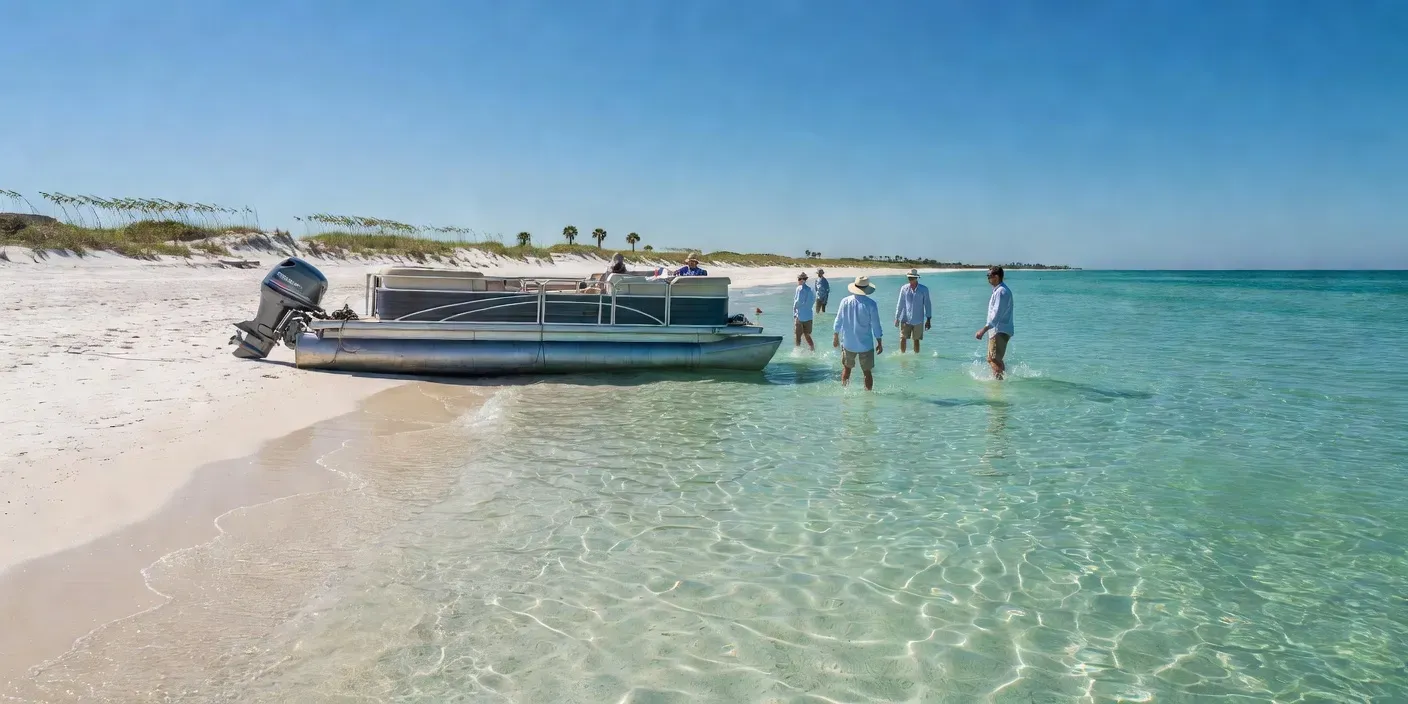
Before leaving the dock, review your planned route and check current navigation information. Do not assume that an open-looking beach or sandbar is available for landing.
Look for:
- Signs identifying wildlife sanctuaries or restricted areas.
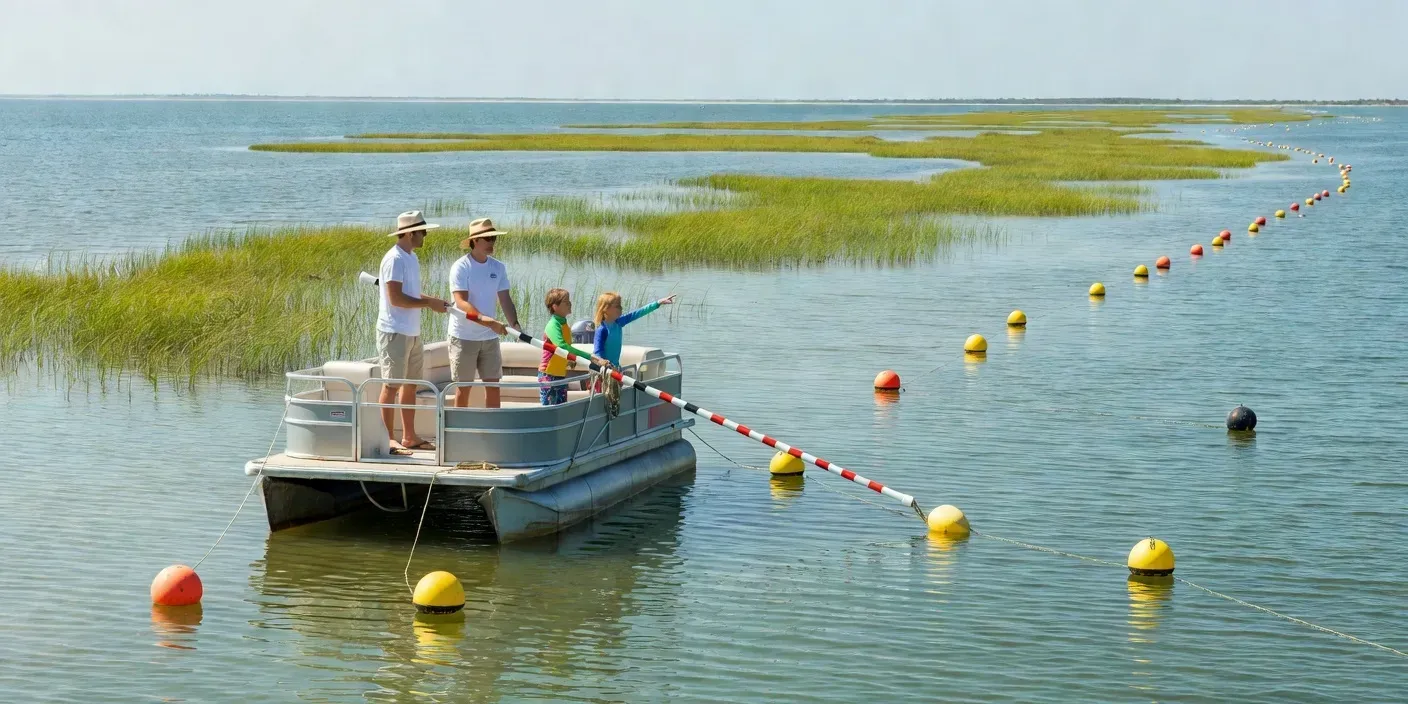
- Markers showing navigation channels and shallow-water hazards.
- Groups of birds resting or nesting along shorelines.
- Seagrass beds and shallow flats that can be damaged by boat propellers.
- Temporary closures or seasonal restrictions.
Passage Key deserves special attention because it is not an approved public landing or stopping location. Even if the sandbar appears accessible at low tide, visitors must stay out of the refuge.
When you are unsure whether an area allows access, choose another location rather than risk disturbing wildlife or entering a restricted zone.
What Is the Best Way to Watch Dolphins & Marine Life?
Seeing dolphins, manatees, and sea turtles is often one of the most memorable parts of boating around Anna Maria Island. However, responsible wildlife viewing means observing animals without changing their natural behavior.
If dolphins appear near your boat, avoid turning sharply toward them or increasing speed to follow their movement. Never circle a pod, block its path, or try to encourage dolphins to ride the boat's wake.
A few simple habits make wildlife encounters more respectful:
- Slow down: Reduce speed when marine animals appear nearby and follow posted speed restrictions.
- Keep your distance: NOAA recommends that vessels stay at least 50 yards from dolphins and sea turtles.
- Avoid chasing: Never follow, surround, or cut across the path of marine animals.
- Keep noise low: Lower music and avoid shouting when watching wildlife.
- Move away when needed: If an animal changes direction, repeatedly dives, or appears disturbed, leave the area slowly.
Manatees need additional care. Florida Fish and Wildlife Conservation Commission guidance tells powerboat operators to remain at least 50 feet away from manatees and obey posted manatee speed zones.
The best wildlife encounter is one where the animals can continue feeding, swimming, and resting without interference.
How Can You Enjoy Fishing Without Disturbing Wildlife?
Fishing is a popular activity around Anna Maria Island, but anglers share local waters with birds and marine animals. Responsible Fishing helps protect these habitats while allowing everyone to enjoy time on the water.
Start by checking current Florida fishing regulations, including license requirements, seasonal closures, size limits, and bag limits. Rules can vary by species and location, so review them before your trip.
Keep these practices in mind:
- Avoid casting toward bird roosting areas or places where birds are feeding.
- Store hooks, lures, and loose fishing line securely when they are not in use.
- Retrieve discarded line and tackle instead of leaving them in the water.
- Keep bait and fish waste contained rather than throwing it near wildlife.
- Give dolphins, manatees, and sea turtles room if they appear near your fishing location.
Fishing gear can create serious problems for wildlife when hooks and lines are left behind. Birds may become tangled, while marine animals can swallow or become trapped in discarded equipment.
A little preparation helps prevent these problems and keeps local fishing areas cleaner for future visitors.
Which Boating Habits Help Protect Sensitive Coastal Habitats?
Wildlife protection is not limited to avoiding bird sanctuaries. The shallow waters around Anna Maria Island contain seagrass beds and other habitats that support fish, turtles, manatees, and many smaller marine species.
Boat propellers can cut through seagrass when operators travel through water that is too shallow. Repeated damage can leave scars in underwater vegetation and affect the animals that depend on it.
| Boating Situation | Responsible Practice | Why It Matters |
|---|---|---|
| Traveling through shallow water | Follow marked channels and check depth | Helps prevent grounding and seagrass damage |
| Approaching a sandbar | Confirm access rules and water depth | Avoids restricted areas and sensitive habitats |
| Watching dolphins | Slow down and maintain distance | Prevents stress and unwanted pursuit |
| Fishing near shorebirds | Keep lines and hooks controlled | Reduces the risk of wildlife injuries |
| Taking a break | Use approved stopping locations | Keeps nesting and resting areas undisturbed |
If your boat runs into a seagrass bed or shallow area, stop rather than using the propeller to push through. Follow safe procedures to move away without causing additional damage.
How Should Families Teach Children to Respect Local Wildlife?
A boat trip is a great opportunity for children to learn about Florida's coastal environment. Seeing dolphins surface or watching seabirds fly over the water can make the experience exciting while teaching simple lessons about nature.
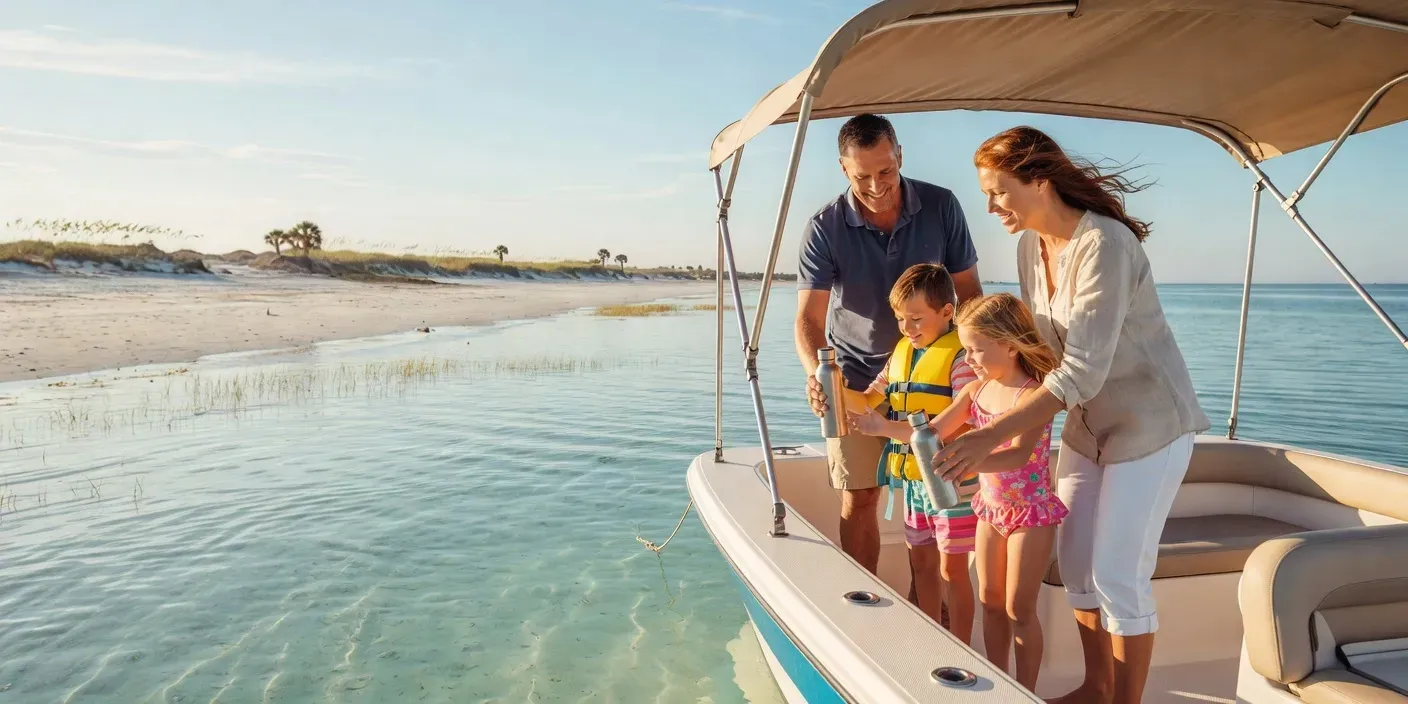
Before leaving the dock, explain that wild animals are not pets. Children should never throw food toward dolphins, approach nesting birds, or try to touch marine animals.
You can make wildlife viewing part of the trip by bringing binoculars, taking photos from a safe distance, and helping children identify the birds and animals they see. Remind everyone to stay seated while the boat is moving and to follow the captain's instructions.
These small steps help children enjoy the experience while learning why wildlife needs space.
What Should You Check Before Planning a Wildlife-Friendly Boat Trip?
A little planning can help you avoid restricted areas and choose a comfortable route for your group.
Before departure, consider:
- Weather and tides: Check conditions that may affect water depth, visibility, and your route.
- Navigation information: Review charts, markers, and posted restrictions.
- Wildlife activity: Be prepared to change your route if birds are nesting or animals are resting nearby.
- Boat equipment: Make sure required safety equipment is available and everyone understands basic boat rules.
- Fishing plans: Check current regulations and bring suitable containers for used line, hooks, and trash.
If you are renting a boat, ask the rental team about local navigation conditions and areas that should be avoided. Local guidance can help you make better decisions before heading out.
Frequently Asked Questions
Can visitors land on Passage Key near Anna Maria Island?
No. Passage Key National Wildlife Refuge is closed to all public use year-round. Visitors should not land, walk on the island, or enter the restricted refuge area.
Can I watch dolphins from a rental boat?
Yes, but you must observe them responsibly. Slow down, maintain a safe distance, and never chase, circle, or approach dolphins to encourage interaction.
How far should a boat stay from dolphins?
NOAA recommends that vessels remain at least 50 yards from dolphins. Boaters should also avoid sudden speed changes, blocking their path, or separating mothers from calves.